

A Standardized Laboratory Guide to Reconstituting and Storing Multi-Target Reagents
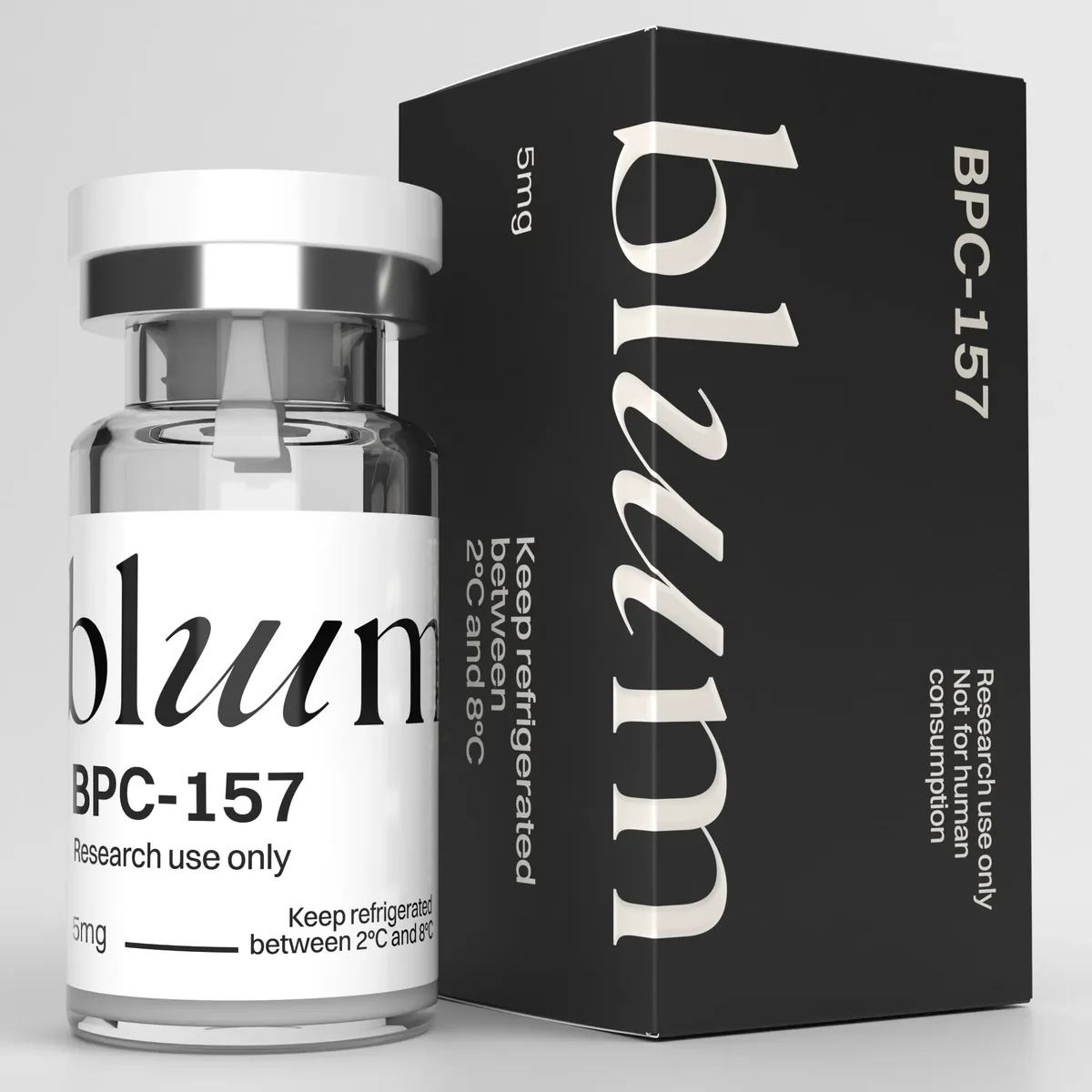
In translational research, drug discovery, and advanced in vitro assays, maintaining the stability and integrity of biochemical compounds is a fundamental operational challenge. High-fidelity research platforms depend on multi-target reagents—such as synthetic oligopeptides, selective small molecules, and enzymatic modulators—to precisely trigger specific cellular pathways.
However, the real-world utility of these compounds is entirely tied to how they are handled at the laboratory bench. Lyophilized (freeze-dried) proteins and peptides exist in a delicate, high-energy state that is exceptionally sensitive to environmental changes.
When a laboratory lacks uniform handling procedures for hydration and temperature control, it risks causing structural denaturation, oxidation, and rapid degradation. These altered biochemical fragments can introduce an artificial cytotoxicity risk to cell lines, causing premature cell death, altered metabolic readouts, and skewed data that can derail a research timeline.
To ensure long-term data reproducibility and shield valuable cell cultures from artifactual cellular stress, modern discovery groups must enforce rigid quality-control protocols during preparation. For laboratory teams configuring these highly sensitive screening assays, purchasing pristine, analytically vetted materials from a reputable bpc 157 for sale or high-purity reagent supplier is the vital first step toward establishing a reliable, noise-free experimental baseline.
1. The Chemistry of Reconstitution: Controlling Enthalpic Flash
The transition of a lyophilized reagent back into a liquid state is a critical thermodynamic window. When a solvent is added to a freeze-dried cake, a rapid release of heat can occur—a phenomenon known as the enthalpic flash. If a scientist adds the liquid too quickly or uses the wrong solution, this sudden thermal energy shift can warp the delicate secondary and tertiary folds of the peptide sequence.
To safely manage this hydration phase and prevent structural damage, teams should deploy a strict, multi-step sequence:
2. Preventing Chemical Degradation and Aggregate-Induced Toxicity
When a multi-target peptide isn't stored correctly, it degrades through two primary chemical reactions: deamidation (the loss of an amide functional group from an amino acid) and hydrolysis (the breaking of chemical bonds by water).
These structural changes do more than just lower the concentration of your active compound—they create broken fragments and tangled proteins that can directly damage cell cultures.
These structural alterations can alter the baseline properties of your assays. When distorted, clumped, or broken peptide chains interact with cell cultures, they can disrupt cell membranes, trigger non-specific inflammatory pathways, or cause a sudden spike in cytotoxicity risk.
This background stress can easily be mistaken for true biological activity, creating false positives and misleading data that compromise the integrity of your research program.
3. The Imperative of Reagent Purity in Eliminating Background Variance
Eliminating handling errors at the laboratory bench only resolves half of the experimental equation; the remaining half depends entirely on the initial purity of the reagent. If a discovery team starts their work with a low-grade, poorly refined peptide lot, the sample will already contain hidden impurities before the first drop of solvent is added.
Leftover chemical contaminants from manufacturing—such as raw synthesis salts, organic solvents, or deletion sequences—can cause cell stress and erratic signaling.
To prevent these hidden variables from ruining your timelines, modern discovery programs must verify all incoming lots through independent high-performance liquid chromatography (HPLC) and tandem mass spectrometry (MS/MS) fragment analysis. Working exclusively with certified, highly pure reagents ensures that your downstream results reflect true biological interactions, rather than background chemical noise.
4. Establishing Multi-Tiered Laboratory Preservation Standards
To maintain long-term stability and ensure consistent results across multi-month screening projects, research institutions should set up a clear, three-tiered storage structure based on use-case timelines:
By systematically tracking and strictly enforcing these storage rules, laboratories can dramatically reduce the risk of structural breakdown and chemical degradation.
Preventing early compound failure at the molecular source ensures that every screening run receives a structurally intact, fully active sequence. This diligent maintenance delivers crisp, repeatable, and publication-ready data streams across the entire life cycle of your project.
5. Protecting Research Long-Term
As global research networks and international medical journals continue to enforce strict standards for data reproducibility, the ability to control and validate every chemical variable has become a core requirement for successful compound screening. A research program built on basic, unverified documentation leaves its entire timeline vulnerable to data variance and costly experimental failures. Enforcing strict, independent analytical quality control across all incoming materials is the single most effective way to safeguard your organization's research footprint.
Ultimately, protecting your cell models from unexpected cytotoxicity risk requires complete molecular precision. By combining careful bench handling with research components that are thoroughly vetted by rigorous mass spectrometry characterization, discovery teams completely isolate their workflows from synthesis errors and environmental variables. This total commitment to quality control ensures that early laboratory screens deliver exceptionally clean, highly reproducible data, providing a clear and reliable path toward future therapeutic breakthroughs.
 Romaian
 English
 Arabic
 French
 Spanish
 Portuguese
 Deutsch
 Turkish
 Dutch
Dutch
 Italiano
 Russian
 Portuguese (Brazil)
 Greek
Greek