Muscle strains are among the most frequent types of injuries experienced by individuals regardless of age groups. Muscle strain may occur while participating in physical activity, lifting objects, exercising, or even while performing ordinary activities. The recovery process of muscle strain should be understood in order to prevent further harm and get back to normal activities.
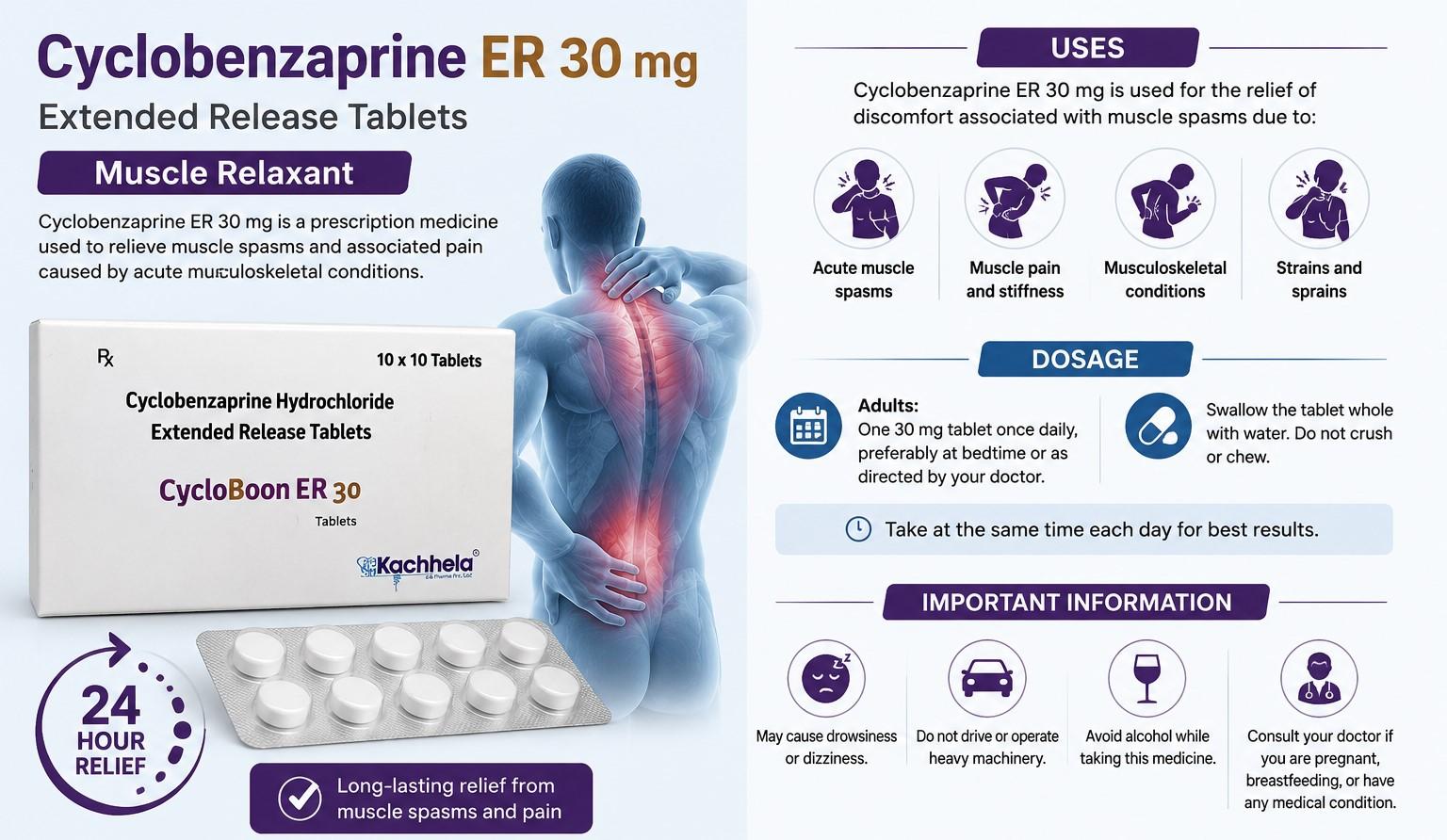
In the USA, there is a big number of people who face the problem of muscle strains annually due to their lifestyle, job position, or physical exercises. In particular cases, cyclobenzaprine ER 30mg may be recommended for use by health care providers as a therapy for treating muscle spasms that occur due to muscle injuries.
What Is a Muscle Strain?
A muscle strain happens when muscle fibers stretch too far or tear. This injury may affect a small number of fibers or a larger part of the muscle. Muscle strains can range from mild to severe depending on the amount of damage.
Muscle strains often affect the:
- Lower back
- Neck
- Shoulders
- Hamstrings
- Calves
- Thigh muscles
Most mild strains improve within a few weeks, while severe injuries may require several months of recovery.
Common Causes of Muscle Strain
Muscle strains can occur for many reasons. Understanding these causes helps reduce the risk of future injuries.
Common causes include:
- Lifting heavy objects incorrectly
- Sudden twisting movements
- Overusing muscles
- Poor flexibility
- Skipping warm-up exercises
- Sports injuries
- Falls or accidents
- Muscle fatigue
People who work in construction, healthcare, warehouses, or other physically demanding jobs may have a higher risk of muscle strains.
Signs and Symptoms
Symptoms vary depending on the severity of the injury.
Common symptoms include:
- Sudden muscle pain
- Muscle tenderness
- Swelling
- Bruising
- Muscle weakness
- Limited movement
- Muscle stiffness
- Pain during activity
Some people may hear or feel a popping sensation at the time of injury.
Types of Muscle Strains
Doctors usually classify muscle strains into three grades.
Grade 1
A few muscle fibers stretch or tear. Pain is mild, and daily activities remain possible.
Grade 2
More muscle fibers tear, causing moderate pain, swelling, and reduced strength.
Grade 3
The muscle tears completely. This serious injury often requires medical evaluation and a longer recovery period.
How Muscle Strain Recovery Works
Healing occurs in several stages.
1. Inflammation
The body immediately starts repairing damaged tissue. Mild swelling and discomfort are normal during this stage.
2. Tissue Repair
New muscle fibers begin forming. The body also removes damaged tissue while rebuilding healthy muscle.
3. Strength Recovery
The repaired muscle gradually becomes stronger through gentle movement and appropriate exercises.
Recovery time depends on:
- Severity of the injury
- Age
- Overall health
- Activity level
- Following treatment recommendations
Treatment for Muscle Strain
Early treatment can improve healing and reduce discomfort.
Common treatment methods include:
Rest
Avoid activities that increase pain. Give the injured muscle enough time to heal.
Ice
Apply an ice pack for 15 to 20 minutes several times a day during the first two days after injury.
Compression
An elastic bandage may help reduce swelling.
Elevation
Raise the injured area above heart level whenever possible.
Gentle Movement
Once the pain subsides, some stretching and movement will aid in the restoration of flexibility.
Cyclobenzaprine extended-release 30 mg is one of the medications used by many health care providers to relieve muscle spasms in relation to muscle injuries. It should be taken as directed and never exceed the recommended dose.
Tips for Faster Recovery
Healthy habits can support the body's natural healing process.
Helpful recovery tips include:
- Stay hydrated
- Eat balanced meals
- Get enough sleep
- Avoid smoking
- Follow your treatment plan
- Return to activity gradually
- Stretch regularly
- Maintain good posture
These simple steps may help reduce recovery time and improve overall muscle health.
Foods That Support Muscle Healing
Good nutrition provides the building blocks your body needs for repair.
Choose foods rich in:
- Lean protein
- Eggs
- Fish
- Fresh fruits
- Vegetables
- Whole grains
- Nuts
- Seeds
- Dairy products
Protein helps rebuild damaged muscle tissue, while vitamins and minerals support overall healing.
When Can You Exercise Again?
Do not rush back into exercise too soon.
You may gradually return when:
- Pain has improved
- Swelling has decreased
- Normal movement returns
- Strength improves
- Daily activities feel comfortable
Start with light exercises before returning to full activity.
Preventing Future Muscle Strains
Simple prevention steps can lower your risk of another injury.
Try these habits:
- Warm up before exercise
- Stretch regularly
- Strengthen major muscle groups
- Increase activity slowly
- Lift with proper technique
- Wear supportive footwear
- Stay hydrated
- Rest when muscles feel tired
Consistency helps protect muscles over time.
When Should You See a Healthcare Provider?
Seek medical care if you experience:
- Severe pain
- Inability to move the muscle
- Large swelling
- Significant bruising
- Numbness
- Pain that does not improve after several days
- Difficulty walking
- Repeated muscle injuries
Early evaluation helps identify more serious injuries and supports proper treatment.
Common Recovery Mistakes
Many people slow their recovery without realizing it.
Avoid these mistakes:
- Returning to sports too early
- Ignoring pain
- Skipping warm-up exercises
- Avoiding all movement for too long
- Lifting heavy objects before healing
- Poor nutrition
- Not following medical advice
Making smart choices during recovery helps muscles heal more effectively.
Long-Term Muscle Health
Good muscles ensure smooth movements, good balance, and improved quality of life in general. Exercise, stretches, right eating habits, and proper rest will enable the formation of healthy muscles and lower the probability of getting injured in the future.
Individuals who engage in regular exercises need to include days off for recovery of their muscles.
Conclusion
Recovery from muscle strain involves patience, proper treatment, and a healthy lifestyle. Most cases of muscle strains heal on their own when given time and proper self-treatment. For more severe cases, it is important that a medical professional evaluates the injury to guarantee appropriate healing. By being aware of one’s body, adhering to recovery suggestions, and gradually resuming activities, there is a reduced likelihood of sustaining an injury again.


 English
 French
 Spanish
 Portuguese
 Deutsch
 Turkish
 Dutch
Dutch
 Italiano
 Russian
 Romaian
 Portuguese (Brazil)
 Greek
Greek