

Hay Trailer: The Essential Guide to Choosing the Right Trailer for Your Farm
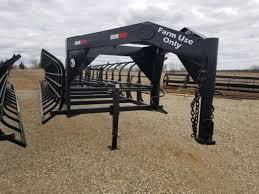
Transporting hay safely and efficiently is an important part of any farming operation. Whether you're moving round bales from the field or delivering square bales to a storage barn, a reliable hay trailer can save time, reduce labor, and protect your harvest. With different sizes and designs available, choosing the right trailer can improve productivity and make daily farm work much easier.
What Is a Hay Trailer?
A hay trailer is a specialized trailer designed to transport hay bales from fields to storage facilities or feeding areas. These trailers are built to carry heavy loads while providing stability during transport. Depending on your needs, they can be used for both round and square hay bales.
Hay trailers are commonly used by livestock farmers, ranchers, hay producers, and agricultural contractors who handle large amounts of forage throughout the year.
Benefits of Using a Hay Trailer
Faster Hay Transportation
A quality trailer allows farmers to move multiple bales in a single trip. This reduces fuel consumption and saves valuable time during harvest.
Protects Your Harvest
Properly designed trailers keep hay secure during transport, reducing the risk of damaged or fallen bales that can lead to unnecessary losses.
Increases Farm Efficiency
Using a dependable hay trailer helps streamline loading, hauling, and unloading, allowing workers to complete tasks more quickly and focus on other farm activities.
Versatile for Different Jobs
Many hay trailers can also transport straw, fencing materials, feed, farm equipment, and other agricultural supplies, making them useful throughout the year.
Types of Hay Trailers
Flatbed Hay Trailers
Flatbed trailers are one of the most common options. They offer a large loading area and are ideal for transporting stacked square bales or large round bales.
Bale Wagon Trailers
These trailers are specifically designed for hauling multiple hay bales and often make loading and unloading more efficient.
Gooseneck Trailers
Gooseneck models provide improved towing stability and higher weight capacity, making them suitable for larger farming operations.
Choosing the Right Hay Trailer
Before purchasing a hay trailer, consider several important factors.
Load Capacity
Select a trailer that can safely carry the number and size of hay bales you typically transport. Never exceed the recommended weight limit.
Trailer Size
Choose a trailer length and width that matches your hauling needs while remaining compatible with your towing vehicle.
Durable Construction
Look for trailers built with heavy-duty steel frames, quality axles, and corrosion-resistant finishes for long-lasting performance.
Easy Loading Features
Fold-down ramps, stake pockets, and tie-down points make loading and securing hay much easier and safer.
Maintenance Tips
Regular maintenance helps keep your trailer in excellent condition.
- Inspect tires before every trip.
- Grease wheel bearings regularly.
- Test brakes and trailer lights.
- Tighten loose bolts and fasteners.
- Clean dirt and crop residue after use.
- Check the trailer frame for signs of rust or damage.
Proper maintenance extends the life of your hay trailer and improves road safety.
Safety Tips for Hauling Hay
Transporting hay safely is just as important as choosing the right trailer.
- Secure every load with quality straps.
- Distribute weight evenly across the trailer.
- Avoid overloading the trailer.
- Drive carefully on uneven roads.
- Inspect the trailer before each trip.
Following these simple practices helps protect both your equipment and your valuable hay crop.
Conclusion
A hay trailer is an essential piece of equipment for farms that regularly harvest, transport, or store hay. Its ability to move large loads efficiently saves time, reduces labor, and improves overall farm productivity. By selecting the right trailer, performing regular maintenance, and following safe hauling practices, you can protect your investment and enjoy reliable performance season after season. A well-built hay trailer is a valuable asset that supports efficient farming for years to come.
 Dutch
Dutch
 English
 Arabic
 French
 Spanish
 Portuguese
 Deutsch
 Turkish
 Italiano
 Russian
 Romaian
 Portuguese (Brazil)
 Greek
Greek