

PTSD Treatment in Cleveland: Finding the Right Support for Trauma Recovery
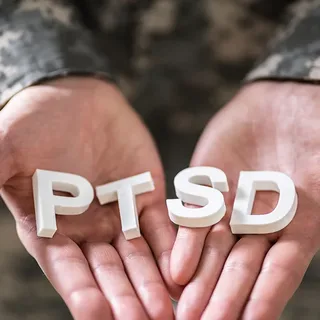
Trauma can leave an impact that extends far beyond the moment an event occurs. While many people gradually recover after difficult experiences, others continue to experience emotional distress that affects daily life, relationships, sleep, and overall well-being. When those symptoms persist, professional care may become an important step toward healing.
For individuals searching for PTSD treatment in Cleveland, understanding available treatment approaches and recognizing the signs of post-traumatic stress can help make the process feel more manageable.
Understanding PTSD Beyond the Common Misconceptions
Post-traumatic stress disorder (PTSD) is a mental health condition that may develop after experiencing or witnessing a traumatic event. Trauma can result from many different experiences, including accidents, military exposure, abuse, violence, medical emergencies, loss, or prolonged emotional stress. PTSD symptoms can appear soon after trauma or develop later over time.
PTSD is often misunderstood as simply “reliving bad memories,” but the experience is usually much broader. It can affect emotional regulation, concentration, physical responses, and a person’s sense of safety.
Common symptoms may include:
-
Intrusive memories or flashbacks
-
Nightmares or disrupted sleep
-
Avoidance of reminders connected to the trauma
-
Heightened anxiety or feeling constantly alert
-
Emotional numbness or detachment
-
Irritability or mood changes
-
Difficulty focusing or maintaining relationships
These experiences vary from person to person, which is why individualized care matters.
Why Professional PTSD Treatment Matters
Many people attempt to manage trauma symptoms independently for months or even years. While healthy routines and support systems can help, unresolved trauma may continue interfering with work, personal goals, and relationships.
Professional treatment provides structured tools that help people process traumatic experiences safely rather than remaining stuck in survival mode.
Trauma-informed therapy focuses on helping individuals:
-
Understand trauma responses
-
Reduce emotional overwhelm
-
Improve coping skills
-
Rebuild confidence and trust
-
Restore day-to-day functioning
Research consistently supports psychotherapy as one of the most effective approaches for PTSD treatment, with treatment plans often customized to the individual’s needs.
What PTSD Treatment in Cleveland Typically Looks Like
When beginning treatment, the first step is often a comprehensive mental health evaluation. This helps determine symptom severity, trauma history, current challenges, and whether additional concerns such as anxiety or depression may also need attention.
Treatment plans can vary, but several evidence-based approaches are commonly used.
Trauma-Focused Therapy
Trauma-focused therapy helps individuals gradually process traumatic memories while building emotional resilience.
Sessions may focus on:
-
Identifying triggers
-
Developing emotional regulation skills
-
Processing difficult memories
-
Reducing avoidance behaviors
The goal is not to erase memories but to reduce the distress associated with them.
Cognitive Behavioral Therapy (CBT)
CBT helps people recognize and change thought patterns connected to trauma.
For PTSD, this may include:
-
Challenging unhelpful beliefs
-
Reducing fear responses
-
Improving coping strategies
-
Building healthier emotional responses
CBT remains one of the most commonly recommended approaches for PTSD care.
Cognitive Processing Therapy (CPT)
CPT is a structured therapy often used specifically for trauma-related conditions.
This approach helps individuals:
-
Examine thoughts connected to traumatic experiences
-
Reframe beliefs around safety and trust
-
Develop healthier interpretations of past events
Many people find CPT helpful for improving emotional flexibility and reducing distress linked to trauma memories.
Exposure-Based Approaches
Exposure-based therapies are designed to help reduce avoidance patterns by gradually addressing trauma reminders in a controlled therapeutic environment.
Methods may include:
-
Discussing trauma memories safely
-
Practicing emotional regulation techniques
-
Building tolerance to triggers over time
These approaches are carefully guided and personalized to avoid overwhelming experiences.
Medication Management When Appropriate
For some individuals, therapy may be combined with medication management.
Medication does not remove trauma but may help reduce symptoms such as:
-
Anxiety
-
Sleep disruption
-
Depression
-
Hyperarousal
A psychiatric provider can determine whether medication may complement therapy goals.
Signs It May Be Time to Seek Help
People often wait until symptoms become severe before reaching out for support.
You may benefit from professional evaluation if:
-
Symptoms continue for weeks or months
-
Sleep problems are affecting daily life
-
You avoid situations connected to trauma
-
Anxiety feels difficult to control
-
Relationships are becoming strained
-
You feel emotionally disconnected
-
Work or school performance is declining
Seeking help early can support better long-term outcomes and reduce the impact trauma has on everyday functioning.
Building a Trauma-Informed Recovery Process
Recovery from PTSD rarely follows a straight line.
Healing often includes:
-
Learning emotional awareness
-
Creating consistent routines
-
Improving self-care habits
-
Strengthening supportive relationships
-
Developing practical coping strategies
Progress may happen gradually, but many individuals experience meaningful improvement with consistent treatment and the right support system.
Trauma recovery is not about forgetting what happened it is about reducing its control over your present life.
Choosing the Right Provider for PTSD Treatment in Cleveland
Finding the right therapist or psychiatric provider can make a significant difference.
When evaluating options, consider:
-
Experience treating trauma and PTSD
-
Therapy methods offered
-
Availability of medication management
-
Comfort and communication style
-
In-person or telehealth flexibility
A supportive therapeutic relationship often creates the foundation for successful treatment.
If you are exploring options for PTSD treatment in Cleveland, working with providers who understand trauma-informed care may help you move toward recovery with greater confidence.
Final Thoughts
PTSD can affect every area of life, but effective treatment options are available. Whether symptoms developed recently or have been present for years, seeking professional support may create opportunities for healing and improved quality of life.
Recovery does not mean erasing the past it means building a healthier relationship with it and creating space to move forward.
 Greek
Greek
 English
 Arabic
 French
 Spanish
 Portuguese
 Deutsch
 Turkish
 Dutch
Dutch
 Italiano
 Russian
 Romaian
 Portuguese (Brazil)