


Costco Gold Coins and Bars for Secure Precious Metal Investment
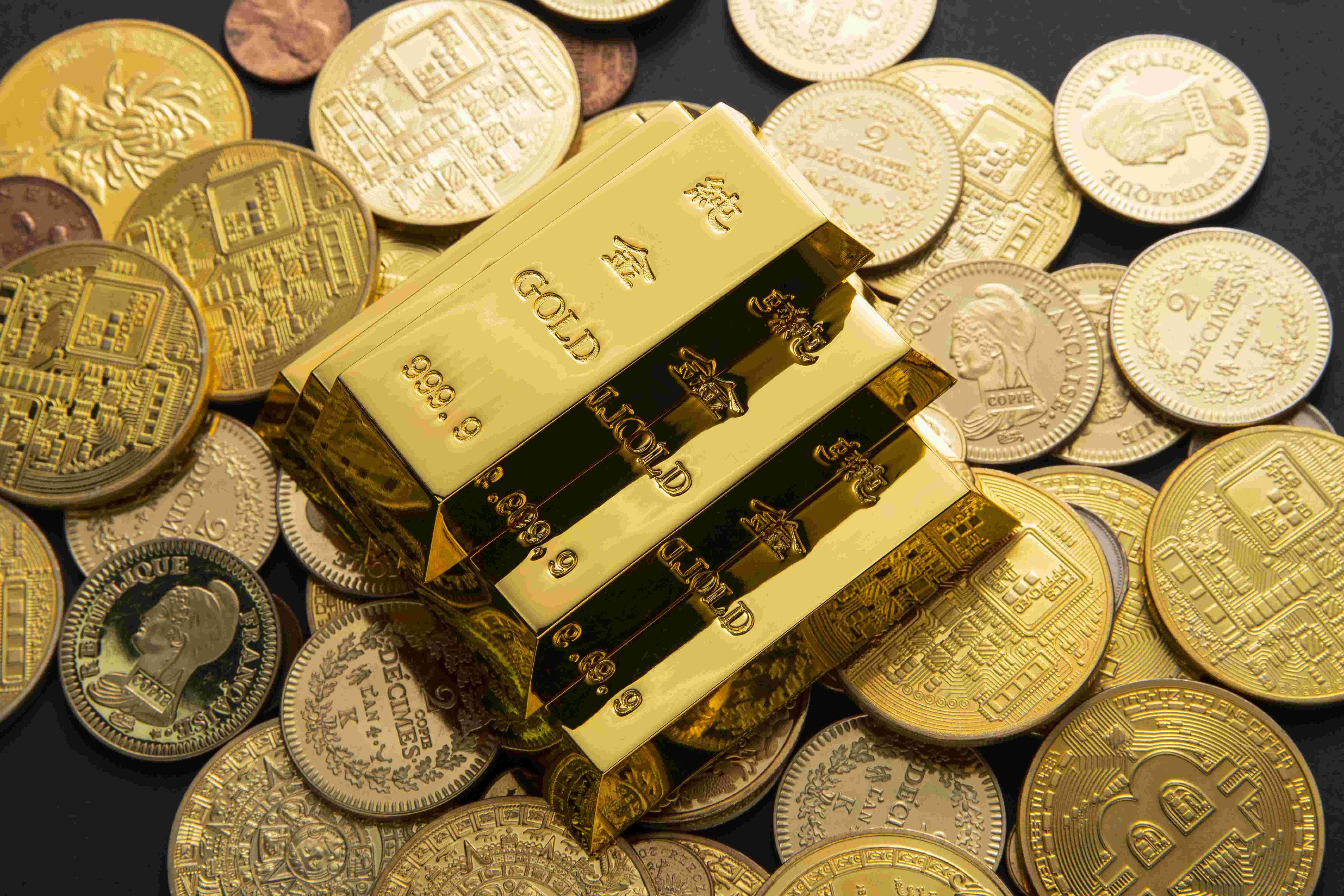
Costco's entry into precious metals sales has revolutionized gold investment accessibility, bringing institutional-quality bullion products to everyday consumers through their trusted warehouse club model. Since launching gold bar and coin sales, Costco has experienced overwhelming demand, with inventory frequently selling out within hours of restocking. This phenomenon reflects growing investor interest in physical gold ownership as a wealth preservation strategy, combined with Costco's reputation for competitive pricing and quality assurance. For investors seeking tangible assets that hedge against inflation and economic uncertainty, Costco gold coins and bars offer compelling entry points into precious metals markets with the convenience and reliability that define the Costco shopping experience.
Understanding Gold as an Investment
Gold has served as a store of value throughout human civilization, maintaining purchasing power across millennia while paper currencies have risen and fallen. Unlike stocks or bonds representing claims on future business performance, physical gold embodies intrinsic value independent of any institution's solvency or governmental stability. This characteristic makes gold particularly attractive during periods of economic turbulence, currency devaluation, or geopolitical instability.
Investment-grade gold provides portfolio diversification, typically moving inversely to stock markets during downturns. When equity values decline, gold often appreciates as investors seek safe-haven assets, providing balance that smooths overall portfolio volatility. Financial advisors frequently recommend allocating 5-10% of investment portfolios to precious metals, though individual circumstances and risk tolerances dictate appropriate percentages.
Physical gold ownership offers advantages over gold-backed financial instruments like ETFs or mining stocks. You directly control your asset without counterparty risk—the danger that intermediary financial institutions might fail or that paper claims on gold exceed actual physical reserves. Physical gold cannot be hacked, deleted, or devalued through institutional mismanagement, providing security in an increasingly digital financial landscape.
Costco's Gold Product Offerings
Costco primarily sells gold products from recognized refiners and mints whose products are universally accepted in global precious metals markets. Their inventory typically includes one-ounce gold bars from refiners like PAMP Suisse, Credit Suisse, and Valcambi, all featuring assay certificates guaranteeing purity and authenticity. These bars contain .9999 fine gold (99.99% pure), meeting industry standards for investment-grade bullion.
The warehouse retailer also offers gold coins including American Gold Eagles, Canadian Gold Maple Leafs, and occasionally other sovereign coins like Australian Kangaroos or South African Krugerrands. American Gold Eagles, minted by the U.S. Mint, contain one troy ounce of gold with .9167 fineness (91.67% gold, with silver and copper additions for durability). Canadian Gold Maple Leafs feature .9999 fine gold, representing among the purest widely available gold coins.
Costco occasionally stocks fractional gold products—half-ounce, quarter-ounce, or tenth-ounce bars and coins—though full one-ounce products dominate their offerings. Fractional products carry higher premiums per ounce but offer flexibility for investors with smaller budgets or those preferring divisibility for potential future sales or gifts.
Pricing and Value Proposition
Costco's gold pricing strategy follows their traditional business model—minimal markups above wholesale costs, generating profit through membership fees rather than excessive product margins. Their premiums over spot gold prices (the current market price for immediate gold delivery) typically range from 2-5%, significantly below traditional precious metals dealers who often charge 5-10% or higher premiums.
This competitive pricing creates exceptional value for investors, though exact savings fluctuate with market conditions and specific products. A typical one-ounce gold bar costing $2,000 at spot price might sell at Costco for approximately $2,050-$2,075, while traditional dealers might charge $2,100-$2,150 for identical products. These differences compound significantly across larger purchases or over time with multiple acquisitions.
Members should compare Costco's offerings against current spot prices and competitor pricing before purchasing. Gold spot prices fluctuate constantly during market hours, with Costco's prices typically updated periodically rather than in real-time. Understanding current market conditions helps assess whether available Costco inventory represents good value at that specific moment.
Purchase Process and Logistics
Purchasing Costco gold coins and bars requires active Costco membership, with products available through their website rather than physical warehouse locations. This online-only distribution model manages logistics complexity and security concerns inherent in precious metals retail while allowing Costco to serve their entire membership base regardless of geographic location.
The purchase process resembles buying any Costco online product, though several unique considerations apply. Gold products typically limit purchase quantities—often two units per member—preventing excessive hoarding that would deny other members access. Payment generally requires debit cards, Visa credit cards, or Costco-branded credit cards, with certain payment methods potentially restricted for precious metals purchases.
Delivery employs secure shipping services with signature requirements, insurance coverage, and discreet packaging that doesn't advertise valuable contents. Shipping timelines typically range from several days to two weeks depending on location and current demand levels. Members should ensure secure delivery locations where signatures can be obtained, as carriers won't leave gold products unattended.
Storage and Security Considerations
Upon receiving Costco gold coins and bars, investors face critical storage decisions balancing security against accessibility and costs. Home storage offers immediate access and avoids ongoing storage fees but introduces theft and loss risks. Investors choosing home storage should invest in quality safes—preferably bolted to structural elements and rated for appropriate burglary resistance—while avoiding obvious locations like master bedroom closets that thieves search first.
Bank safe deposit boxes provide affordable secure storage ($50-200 annually typically) with institutional security systems and climate control. However, access requires traveling to the bank during business hours, and contents may not be insured by the bank or FDIC—requiring separate insurance policies. Additionally, safe deposit boxes may prove inaccessible during banking system emergencies or closures, the exact scenarios motivating some gold investments.
Professional vault storage through specialized precious metals depositories offers maximum security with full insurance, regular auditing, and potential segregated storage where your specific bars/coins are identified and reserved exclusively for you. These services typically charge 0.5-1.5% of gold value annually, adding ongoing costs but providing peace of mind and professional-grade security infrastructure.
Insurance Considerations
Standard homeowners or renters insurance policies typically provide limited coverage for precious metals, often capping bullion coverage at $1,000-2,500 regardless of actual value. Investors storing significant gold holdings at home require separate scheduled personal property endorsements or specialized collectibles insurance policies specifically covering precious metals at full replacement value.
When obtaining insurance quotes, provide accurate descriptions of your gold products including weights, purities, and serial numbers where applicable. Maintain detailed purchase records, photographs, and any certificates of authenticity as documentation supporting insurance claims if theft or loss occurs. Understand your policy's coverage conditions—some insurers require specific security measures like safes meeting minimum ratings or alarm system installations.
Tax Implications
Physical gold investments create tax obligations that investors must understand before purchasing. In most jurisdictions, gold sales generate capital gains tax liability when sold at profits. Short-term gains (assets held under one year) typically face ordinary income tax rates, while long-term gains benefit from preferential capital gains rates.
The IRS classifies gold and other precious metals as "collectibles," potentially subjecting long-term gains to maximum 28% federal tax rates rather than the lower 15-20% rates applying to most long-term capital gains. State taxes may also apply depending on residence. Investors should consult tax professionals regarding their specific situations and potential strategies for optimizing tax efficiency.
Authentication and Quality Assurance
Costco's reputation and established vendor relationships provide reasonable assurance of product authenticity, though investors should still verify purchases upon receipt. Examine products for proper hallmarks, weights, and accompanying assay certificates or certificates of authenticity. Recognizable refiner brands like PAMP Suisse, Credit Suisse, and government mints employ sophisticated anti-counterfeiting measures including serial numbers, holographic elements, and precise specifications.
For additional verification, investors can employ various testing methods. Precision scales verify weight matching stated specifications. Specific gravity tests using water displacement confirm density matching pure gold's 19.3 g/cm³. More advanced investors might utilize electronic gold testers or arrange professional assays, though Costco products from established refiners rarely warrant such scrutiny.
Investment Strategy and Timing
Successful gold investing requires appropriate strategy alignment with financial goals and market understanding. Dollar-cost averaging—purchasing fixed dollar amounts regularly regardless of price—mitigates timing risk and removes emotional decision-making from investment processes. This strategy proves particularly effective with gold given price volatility and Costco's sporadic inventory availability.
Investors should view gold as long-term holdings rather than short-term trading vehicles. Physical gold involves transaction costs through premiums paid when buying and discounts accepted when selling, making frequent trading economically inefficient. The optimal approach treats gold as portfolio insurance—holdings maintained through market cycles, potentially rebalanced periodically but not actively traded based on short-term price movements.
Costco gold coins and bars democratize precious metals investment, bringing institutional-quality bullion to everyday investors through trusted distribution channels with competitive pricing that maximizes value while providing tangible assets securing wealth against uncertain economic futures.
 Russian
 English
 Arabic
 French
 Spanish
 Portuguese
 Deutsch
 Turkish
 Dutch
Dutch
 Italiano
 Romaian
 Portuguese (Brazil)
 Greek
Greek