


Transforming Homes with Smart Light IoT Technology
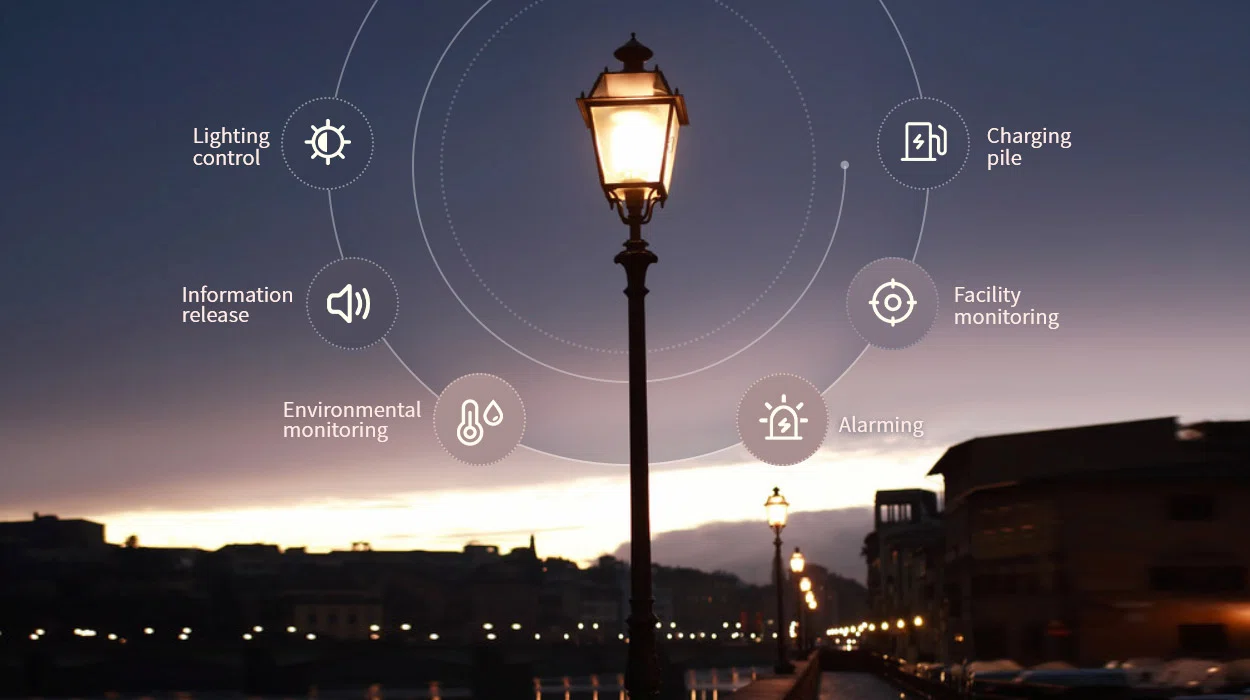
The advent of Smart Light IoT technology is revolutionizing the way we approach lighting solutions in both residential and commercial spaces. Unlike traditional lighting systems, smart lights are connected to the Internet of Things (IoT), allowing users to control, monitor, and automate lighting through mobile apps, voice assistants, or centralized management systems. This integration not only enhances convenience but also promotes energy efficiency, cost savings, and sustainability, making it an attractive solution for modern infrastructure. Industries and households alike are increasingly adopting these solutions, marking a significant shift in the lighting landscape toward intelligent, responsive, and environmentally conscious systems.
At the core of Smart Light IoT systems are several essential components that enable their functionality. Sensors, including motion detectors, ambient light sensors, and temperature sensors, allow lights to respond intelligently to environmental conditions. Connectivity modules, typically utilizing Wi-Fi, Zigbee, or Bluetooth, facilitate seamless communication between the lights and control interfaces. Cloud-based platforms and software applications provide data storage, analytics, and remote control capabilities, while user interfaces, such as mobile apps or voice assistants, ensure intuitive interaction. Together, these components form an ecosystem where lighting can be adaptive, programmable, and integrated with other smart building systems for enhanced efficiency and user comfort.
The applications of Smart Light IoT extend across multiple industries, offering versatile solutions for various use cases. In residential settings, homeowners can automate lighting schedules, adjust brightness, or change colors to suit moods or activities, enhancing both convenience and energy savings. Commercial environments, such as offices, retail spaces, and hospitality sectors, benefit from intelligent lighting that adjusts to occupancy levels, natural light availability, or specific operational needs. Industrial facilities can integrate smart lighting with safety systems to improve workplace security and productivity. Furthermore, smart street lighting in urban areas provides energy-efficient solutions while enabling real-time monitoring and remote maintenance, contributing to the development of smart cities and sustainable urban planning.
Several factors are driving the adoption and growth of Smart Light IoT systems. Increasing awareness of energy conservation, rising electricity costs, and global sustainability initiatives encourage businesses and consumers to embrace efficient lighting solutions. Technological advancements in sensors, wireless communication, and cloud computing are making smart lighting more accessible, reliable, and affordable. The convenience of remote control and automation appeals to tech-savvy users who value customization and seamless integration with other smart devices. Additionally, the growing emphasis on smart building solutions and IoT-enabled infrastructure further fuels demand, as organizations seek to optimize operational efficiency and enhance user experiences.
Despite its advantages, Smart Light IoT technology faces challenges and limitations. Security and privacy concerns remain significant, as connected devices can be vulnerable to cyberattacks or unauthorized access. Integration with existing infrastructure may require significant upfront investment and technical expertise, posing barriers for some users. Connectivity issues or compatibility limitations between devices from different manufacturers can affect system reliability and user experience. Moreover, rapid technological advancements may render certain products obsolete, requiring ongoing updates or replacements. Addressing these challenges is crucial to ensuring user trust, long-term adoption, and the sustained growth of the smart lighting ecosystem.
Emerging trends and innovations in Smart Light IoT continue to shape the industry. Artificial intelligence and machine learning are being leveraged to enable predictive lighting, energy optimization, and adaptive user experiences. Integration with building management systems and other IoT devices is enhancing interoperability and automation. The development of Li-Fi technology, which uses light for high-speed data transmission, represents a novel frontier for smart lighting, bridging illumination and communication. Customizable lighting solutions, enhanced energy monitoring, and sustainability-focused designs are also gaining traction, reflecting the evolving demands of environmentally conscious consumers and organizations.
Regional and industry-specific insights reveal variations in adoption patterns and applications. Urban areas in developed regions are increasingly implementing smart street lighting and building automation, driven by smart city initiatives and regulatory incentives. In commercial sectors, offices and retail environments in metropolitan hubs are early adopters due to the benefits of energy efficiency and operational optimization. Residential adoption is growing steadily, particularly among tech-savvy homeowners and urban apartment dwellers seeking convenience and personalization. In emerging economies, the focus is on affordable, energy-efficient solutions that balance cost with functionality, highlighting diverse market needs across regions.
The future of Smart Light IoT appears promising, with continuous innovation and expanding applications driving long-term growth. As technology becomes more integrated, user-friendly, and cost-effective, smart lighting is expected to become a standard feature in both homes and commercial spaces. Advancements in AI, connectivity, and energy management will further enhance efficiency, personalization, and sustainability. The convergence of smart lighting with broader IoT ecosystems, smart city projects, and environmental initiatives underscores its strategic importance in shaping the future of urban and industrial infrastructure. Ultimately, Smart Light IoT is poised to transform not only how we illuminate spaces but also how we manage energy, optimize operations, and create intelligent, responsive environments for a smarter, more sustainable world.
Top Trending Reports -
GCC Big Data Security Market Trends
 Romaian
 English
 Arabic
 French
 Spanish
 Portuguese
 Deutsch
 Turkish
 Dutch
Dutch
 Italiano
 Russian
 Portuguese (Brazil)
 Greek
Greek