

How Effective Is Laser Melasma Treatment?
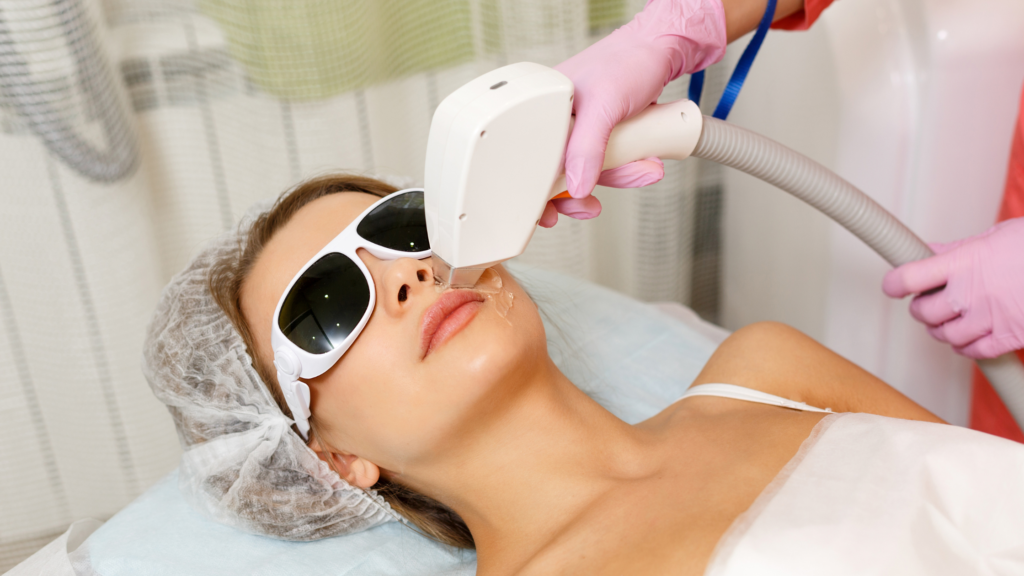
Melasma is a persistent skin condition that causes dark patches and uneven pigmentation, most commonly on the cheeks, forehead, upper lip, and chin. It affects millions of people worldwide and is especially common among individuals with medium to darker skin tones. Hormonal changes, sun exposure, genetics, and inflammation are major contributing factors, making melasma difficult to manage with ordinary skincare products alone. As dermatology continues to evolve, many patients are turning toward advanced procedures such as Laser Melasma Treatment to improve stubborn discoloration that does not respond well to topical creams or home remedies. Understanding how these treatments work and what results they realistically offer is important before starting any professional pigmentation procedure.
Understanding Why Melasma Is Difficult to Treat:
Melasma is not simply a surface-level pigmentation issue because it often affects deeper layers of the skin while involving multiple triggers at the same time. Excess melanin production can be stimulated by ultraviolet rays, visible light, heat, hormones, and skin inflammation, which explains why the condition frequently returns even after successful treatment. Dermatologists generally classify melasma as a chronic condition that requires long-term maintenance rather than a one-time cure. Effective management often includes:
- Strict sun protection
- Medical-grade skincare
- Professional procedures
- Trigger management
- Consistent maintenance treatments
How Laser Treatments Work on Pigmentation:
Laser procedures target concentrated pigment within the skin by delivering controlled energy into affected areas. The laser breaks down melanin clusters into smaller particles, allowing the body to gradually remove them through natural healing processes. Different laser technologies are used depending on pigmentation depth, skin sensitivity, and treatment goals. Some devices focus on superficial discoloration, while others penetrate deeper layers to address more stubborn pigment. Modern laser systems are designed to minimize damage to surrounding tissue, reducing recovery time and improving treatment precision.
Types of Lasers Used for Melasma:
Several laser technologies are commonly used in dermatology clinics to treat melasma. Q-switched lasers are often selected for their ability to target pigment with low heat levels, helping reduce the risk of additional inflammation. Picosecond lasers use ultra-short pulses that shatter pigment more efficiently while minimizing thermal injury to the skin. Fractional lasers create microscopic treatment zones that stimulate skin renewal and collagen production alongside pigment reduction. Dermatologists carefully evaluate each patient’s skin type before choosing the most appropriate laser because incorrect treatment settings may worsen discoloration, especially in darker complexions.
Factors That Influence Treatment Effectiveness:
The success of laser procedures depends on several important factors, including the severity of melasma, skin tone, lifestyle habits, and adherence to aftercare instructions. Patients with deeper pigmentation or ongoing hormonal triggers may require multiple sessions and long-term maintenance. Consistent sunscreen use is especially critical because sun exposure can quickly reactivate melanin production after treatment. Other factors that affect outcomes include:
- Type of laser technology used
- Experience of the dermatologist
- Skin sensitivity level
- Presence of inflammation
- Combination with other therapies
Benefits of Laser Procedures for Melasma:
Laser procedures can offer noticeable improvements for individuals struggling with persistent pigmentation that has not responded to traditional skincare methods. Many patients experience brighter skin, more even tone, and smoother texture after completing recommended treatment sessions. In some cases, lasers also stimulate collagen production, contributing to overall skin rejuvenation. Potential advantages associated with Laser Melasma Treatment may include:
- Faster reduction in visible pigmentation
- Improved skin clarity
- More refined skin texture
- Better absorption of skincare products
- Enhanced overall complexion
Risks and Limitations of Laser Therapy:
Although laser procedures can be highly effective, they are not suitable for everyone and do carry certain risks. One of the main concerns is post-inflammatory hyperpigmentation, where the skin becomes darker due to excessive irritation or heat exposure. This risk is particularly significant in individuals with darker skin tones. Some patients may also experience temporary redness, dryness, swelling, or sensitivity after treatment. Additionally, melasma can recur even after successful sessions if underlying triggers such as sun exposure or hormones are not properly managed. Dermatologists therefore emphasize realistic expectations and gradual improvement rather than promising permanent results.
Combination Treatments Often Work Better:
Most dermatologists agree that melasma responds best when laser therapy is combined with other professional treatments instead of being used alone. Topical medications such as hydroquinone, tretinoin, azelaic acid, and tranexamic acid are frequently prescribed alongside laser sessions to control melanin production more effectively. Chemical peels and microneedling may also be incorporated into comprehensive treatment plans to improve skin renewal and texture. Combination therapy helps address multiple causes of melasma simultaneously while reducing the likelihood of recurrence.
Importance of Post-Treatment Care:
Aftercare is one of the most important aspects of achieving successful laser treatment results. The skin becomes more sensitive following laser procedures, making protection from ultraviolet radiation and heat absolutely essential. Dermatologists usually recommend gentle cleansers, hydrating moisturizers, and broad-spectrum mineral sunscreens during recovery periods. Proper aftercare habits include:
- Avoiding direct sunlight
- Reapplying sunscreen regularly
- Staying away from harsh exfoliants
- Keeping the skin hydrated
- Following prescribed skincare routines consistently
Who Is the Ideal Candidate for Laser Treatment:
Not every melasma patient is an ideal candidate for laser procedures, which is why professional consultation is necessary before beginning treatment. Individuals with stable melasma, realistic expectations, and commitment to long-term maintenance often achieve the best outcomes. Patients willing to follow strict sun protection guidelines and combine treatments under dermatological supervision generally experience more consistent improvement. Dermatologists may avoid aggressive laser settings for highly sensitive or reactive skin types to reduce the risk of complications.
Final Thoughts:
Laser procedures have become an increasingly popular option for managing stubborn melasma, particularly when traditional creams and skincare products fail to provide satisfactory results. While Laser Melasma Treatment can significantly reduce visible pigmentation and improve overall skin tone, its effectiveness depends on factors such as skin type, treatment customization, and ongoing maintenance. Because melasma is a chronic condition influenced by multiple triggers, the best results are usually achieved through combination therapy, professional supervision, and diligent sun protection. With realistic expectations and proper care, laser-based treatments can play a valuable role in achieving clearer, healthier-looking skin over time.
 Turkish
 English
 Arabic
 French
 Spanish
 Portuguese
 Deutsch
 Dutch
Dutch
 Italiano
 Russian
 Romaian
 Portuguese (Brazil)
 Greek
Greek