


When Fitness Sector Prioritizes Health and Wellness Trends
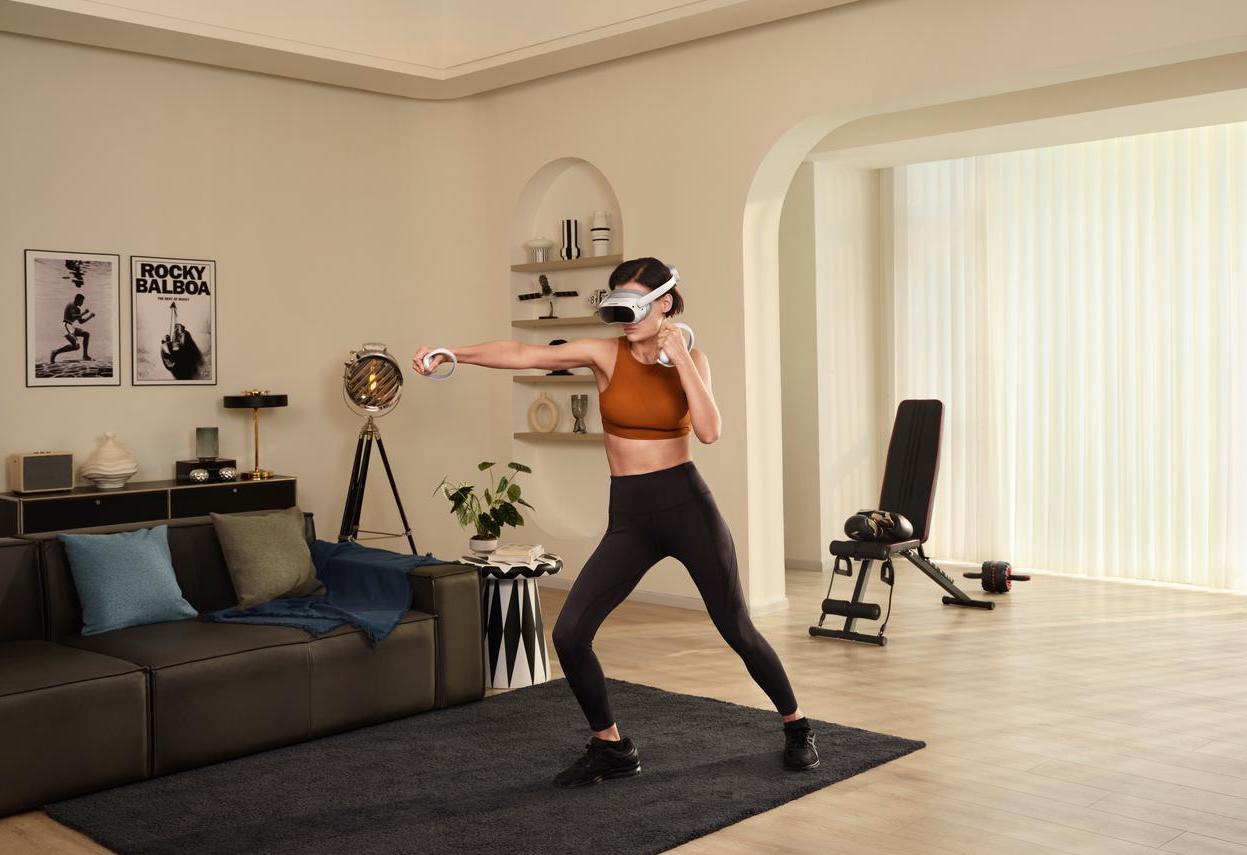
The rise of high-quality at-home workouts, a central part of the modern When Fitness Sector, has not killed the traditional gym in the United States; instead, it has forced it to evolve. The most significant strategic trend among the major US gym and boutique fitness studio chains is the move towards an "omnichannel" or "hybrid" model. This involves creating a seamless, integrated member experience that blurs the lines between the physical, in-person workout at the gym and the digital, at-home workout. The core insight driving this trend is that modern consumers do not want to choose between the gym or an at-home solution; they want both. They want the community, the high-end equipment, and the expert instruction of their favorite gym, but they also want the convenience and flexibility of being able to do a workout at home or while traveling. The fitness companies that can successfully deliver on this hybrid promise, creating a single membership that provides access to both their physical locations and a compelling digital content platform, are the ones that are best positioned for long-term success in the new fitness landscape. This is about meeting the consumer wherever they are.
Key Players
The key players leading this omnichannel transformation in the US are the major national gym chains and the most forward-thinking boutique fitness brands. The first group includes the large, multi-location gym operators. Companies like Life Time and Equinox are key players. They have invested heavily in building their own high-quality digital platforms that offer live and on-demand streaming of the same types of classes and with the same instructors that their members know and love from their physical clubs. Their competitive advantage is their massive existing member base and their ability to leverage their well-known brand and beautiful physical locations as a "stage" for their digital content. The second group of key players are the major boutique fitness franchises, particularly in categories like cycling, HIIT, and yoga. Brands like SoulCycle and Barry's have also launched their own "at-home" digital experiences, often in combination with their own branded connected fitness equipment, in an attempt to replicate their unique and highly motivating in-studio experience at home. A third group are the major connected fitness companies like Peloton, who are pursuing the hybrid model from the opposite direction, by opening their own physical studios to create a real-world home for their massive digital community.
Future in "When Fitness Sector"
The future of the omnichannel fitness model in the United States will be a story of deeper integration and a greater focus on community. The future will see a much more seamless integration between the digital and physical experience. A member's workout data from an at-home class on their app will be automatically synced with their profile at the gym, allowing a personal trainer to see their full activity history. The future will also see a greater use of the physical club as a community hub. The gym will be less about just a room full of treadmills and more about a "third place" for social interaction, with more space dedicated to group classes, social lounges, and community events. A major future trend will also be a more flexible and tiered membership model. Instead of a single, all-access membership, we will see more options, such as a "digital-only" membership, a "pay-per-class" option for in-person visits, and a premium "all-access" membership that includes both. This is a level of business model innovation that is being driven by the highly competitive US fitness market, a different dynamic from the more traditional gym models still prevalent in many parts of Europe or APAC.
Key Points "When Fitness Sector"
This analysis highlights several crucial points about the omnichannel trend in the US fitness market. The primary driver is the consumer demand for a flexible, hybrid fitness experience that combines the best of both the physical gym and the digital at-home workout. The key players are the major national gym chains and boutique fitness brands who are building their own digital content platforms to complement their physical locations. The future lies in a deeper integration of the digital and physical experience, a greater focus on the gym as a community hub, and more flexible membership models. The "omnichannel gym" is not just a trend; it is the new standard for the modern American fitness industry. The When Fitness Sector is projected to grow to USD 1366.72 Billion by 2035, exhibiting a CAGR of 25.92% during the forecast period 2025-2035.
Top Trending Reports -
Aton Management Monitoring System Market Size

 English
 Arabic
 French
 Spanish
 Portuguese
 Deutsch
 Dutch
Dutch
 Italiano
 Russian
 Romaian
 Portuguese (Brazil)
 Greek
Greek