

MMOexp: Mastering Tang Grisner in Odin: Valhalla Rising
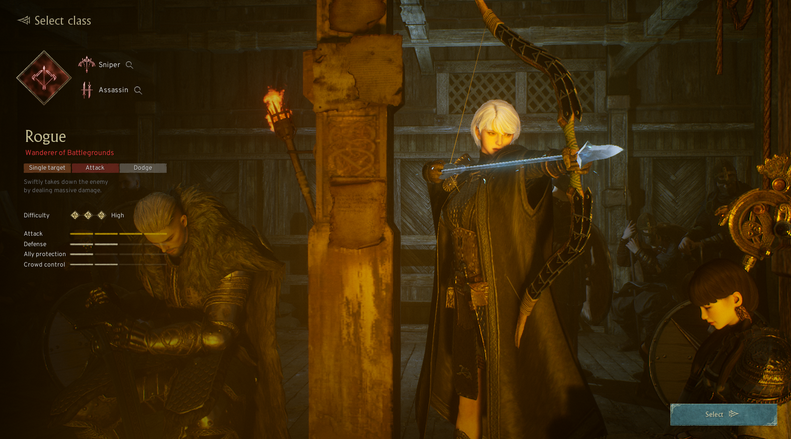
In Odin: Valhalla Rising, boss encounters are where the game’s otherwise smooth progression can suddenly turn brutal. Among these fights, Tang Grisner stands out as a deceptively simple yet punishing encounter that catches many players off guard—not because of complex mechanics, but because of how unforgiving its core design is.
This guide breaks down everything you need to know about the Tang Grisner fight, including hidden mechanics, Odin Valhalla Rising Diamonds, and advanced tricks that can dramatically improve your chances of success. While the fight itself may not look complicated on paper, mastering it requires a mix of timing, preparation, and understanding the game’s underlying systems.
Why Tang Grisner Is More Dangerous Than It Looks
At first glance, Tang Grisner doesn’t seem like a mechanically dense boss. There are no elaborate phase transitions or puzzle-like mechanics. However, the difficulty comes from three major factors:
Unavoidable damage zones
High burst potential
A deadly clone phase
The most frustrating aspect for many players is the boss’s transparent circular red AoE attacks. Unlike standard telegraphed attacks in Odin: Valhalla Rising, these circles behave inconsistently. Even when you appear to be outside the area, you may still take tick damage.
This leads to a critical realization:
This fight is not purely skill-based—it is partially a CP (Combat Power) check.
If your stats are too low or you lack sustain tools, no amount of perfect movement will fully compensate.
Core Mechanics Breakdown
1. The “Undodgeable” Red Circles
Tang Grisner frequently casts circular AoE zones that deal ticking damage.
These are semi-unavoidable
Damage can still apply even when visually outside
Standing inside guarantees heavy damage over time
Strategy:
Treat these zones as soft enrage mechanics
Minimize exposure rather than trying to fully avoid them
Prioritize healing and sustain over perfect positioning
2. Straight-Line Red Attacks
Unlike the circular AoEs, these are more traditional:
Clearly telegraphed
Fully dodgeable
Deal significant burst damage
Strategy:
Always dodge these attacks
Getting hit repeatedly can quickly lead to death, especially when combined with AoE ticks
3. Stun and Debuff Pressure
Tang Grisner applies stuns and possibly other debuffs that can lock you down.
This becomes especially dangerous when:
You are inside a damage-over-time zone
The boss chains attacks during your stun
Strategy:
Stack debuff resistance
Use gear or buffs that reduce crowd control duration
Avoid being caught in AoE zones when stunned
The Clone Phase – The Real Fight Begins
The most important mechanic in this encounter is the clone spawn, which occurs when the boss reaches two health bars remaining.
This is where most players fail.
Why the Clone Is So Dangerous
It deals heavy damage
It appears suddenly, often catching players mid-rotation
It forces a DPS check while the main boss remains active
Best Strategy for the Clone Phase
1. Skill Cooldown Preparation (Critical Tip)
As Tang Grisner approaches two health bars:
Stop using your skills
Let your cooldowns fully reset
Then, when the clone spawns:
Unload all abilities immediately
Focus the clone down as fast as possible
Why this works:
Bursting the clone quickly reduces:
Incoming damage
Fight duration
Risk of overlapping mechanics
2. The “Level-Up Heal” Cheese Strategy
This is a clever trick that can make a huge difference.
How it works:
Enter the fight with your EXP bar nearly full
Save your level-up for the clone phase
When the clone is about halfway dead:
Level up intentionally
Instantly restore HP
Result:
Free heal during the most dangerous part of the fight
Increased survivability without relying on cooldowns
This technique is especially useful for:
DPS classes with limited healing
Players struggling with sustain
3. Prioritize the Clone Over Everything
When the clone appears:
Ignore the main boss
Focus all damage on the clone
Trying to split damage is a mistake. The faster the clone dies, the more manageable the fight becomes.
Build Requirements and Recommendations
1. Healing Is Almost Mandatory
Unless you are playing a Defender-type class, having a healing skill is extremely important.
Without healing:
AoE damage becomes overwhelming
Mistakes are far less forgiving
2. Accuracy Matters More Than You Think
Tang Grisner requires high accuracy to hit consistently.
If your accuracy is too low:
Your DPS drops significantly
The clone phase becomes much harder
3. Debuff Resistance
Given the boss’s stun mechanics:
Equip items that increase debuff resistance
Use consumables that reduce control effects
This can be the difference between:
Recovering from a mistake
Getting chain-stunned and dying
Consumables and Preparation
Before entering the fight, make sure you are fully prepared.
Recommended Items:
HP Elixirs
Essential for surviving AoE damage
Crit Resistance Scrolls
Reduces chance of being burst down
Buff Food (if available)
Boosts survivability and DPS
Using consumables is not optional here—it is expected.
Step-by-Step Fight Flow
Phase 1: Opening (Full HP to ~2 Bars)
Play conservatively
Avoid straight-line attacks
Manage your health carefully
Begin saving cooldowns as you approach 2 bars
Phase 2: Clone Spawn (2 Bars)
Immediately burst the clone
Use all saved skills
Activate healing and consumables
Consider using the level-up trick
Phase 3: Stabilization
Once the clone is dead:
Reset your positioning
Continue avoiding major attacks
The fight becomes significantly easier here
Phase 4: Finish
Maintain consistent DPS
Avoid unnecessary risks
Close out the fight safely
Common Mistakes to Avoid
1. Using Skills Right Before the Clone Spawns
This leaves you with no burst damage when it matters most.
2. Ignoring Debuff Resistance
Getting stunned at the wrong time can instantly end your run.
3. Underestimating AoE Damage
Trying to “outplay” unavoidable damage instead of preparing for it is a losing strategy.
4. Splitting Focus Between Boss and Clone
Always prioritize the clone.
5. Entering Undergeared
This fight heavily punishes low CP builds.
How Many Attempts Should You Expect?
Even with proper preparation, Tang Grisner is not always a one-shot victory.
A realistic expectation:
2–3 attempts to learn the flow
More if your build is under-optimized
Failure often comes from:
Poor clone phase execution
Bad timing on cooldowns
Getting stunned during AoE damage
Advanced Tips for Consistency
Pre-position before clone spawn
Stay in a safe area so you can react instantly
Watch your cooldown rhythm
Treat the fight as a resource management challenge
Don’t panic during AoE overlap
Focus on survival first, DPS second
Learn from failed attempts
Many deaths come from repeatable mistakes
Final Thoughts
Tang Grisner is a perfect example of how Odin: Valhalla Rising blends mechanical skill with stat checks. While the fight doesn’t overwhelm players with complexity, it demands discipline, preparation, and smart resource management buy Odin Valhalla Rising Diamonds.
The key takeaway is simple:
The fight is won or lost during the clone phase.
If you can consistently:
Prepare your cooldowns
Burst the clone
Survive the damage window
Then the rest of the encounter becomes manageable.
It may take a few attempts, but once you understand the rhythm, Tang Grisner shifts from frustrating to predictable—and ultimately, very beatable.
If you’re still struggling, adjust your build, improve your sustain, and refine your timing. In Odin: Valhalla Rising, sometimes victory isn’t about playing faster—it’s about playing smarter.
 Turkish
 English
 Arabic
 French
 Spanish
 Portuguese
 Deutsch
 Dutch
Dutch
 Italiano
 Russian
 Romaian
 Portuguese (Brazil)
 Greek
Greek