

Blue Husky Puppies; A Complete Guide to Their Looks, Personality, and Care
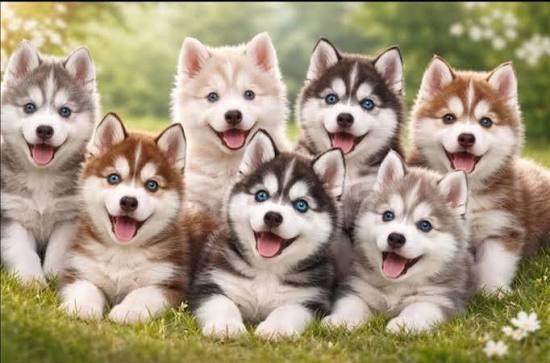
Blue Husky puppies are among the most eye-catching young dogs because of their beautiful grayish-blue coats, striking facial patterns, fluffy fur, and expressive personalities. The name “Blue Husky” usually refers to a Siberian Husky with a blue-gray, silver-gray, or smoky-looking coat rather than a dog that is literally blue. These puppies can have a wide variety of markings, including white masks, dark stripes, gray backs, and lighter-colored legs. Some also develop bright blue eyes, although blue eyes and a blue-gray coat are separate features. A Blue Husky puppy may look soft and calm when young, but this breed is known for growing into an energetic, athletic, and intelligent dog that needs plenty of attention and activity.
The Meaning Behind the Blue Husky Color
The word blue can sometimes confuse people because Siberian Huskies do not have bright blue fur. Instead, the coat may contain shades of cool gray, silver, slate, or smoky black that create a blue-toned appearance in certain lighting. Some puppies look darker during one stage of growth and lighter during another. Sunlight, indoor lighting, and the thickness of the coat can also change how the fur appears. A puppy described as blue-gray may develop a more defined adult coat as its soft Blue Husky puppies fur is replaced by stronger adult hairs. This makes every Blue Husky visually interesting because its appearance can change gradually while growing.
Blue Eyes Are One of the Breed's Most Famous Features
Many people immediately connect Siberian Huskies with icy blue eyes. Blue eyes can give a puppy an intense and memorable expression, especially when combined with a gray or silver coat. However, blue eyes are not created by blue pigment inside the eye. The appearance of blue is related to the way light interacts with reduced pigment in the iris. Huskies have a distinctive genetic reason for blue eyes that is different from the causes seen in many other dog breeds. A puppy can have two blue eyes, two brown eyes, one blue and one brown eye, or eyes containing more than one shade. Eye color alone does not determine a puppy's intelligence, health, or personality.
Blue Coat and Blue Eyes Do Not Always Appear Together
One interesting fact about Blue Husky puppies is that their coat color and eye color do not have to match. A gray-blue puppy may have warm brown eyes, while a black-and-white Husky may have bright blue eyes. This is because coat appearance and eye color are influenced by different genetic factors. For this reason, people should not expect every blue-gray Husky to have blue eyes. Each puppy can develop its own unique combination of colors and markings. The most important thing is the overall health and temperament of the puppy rather than whether its appearance matches a particular trend.
Blue Husky Puppies Are Full of Energy
A Blue Husky puppy may spend one moment sleeping peacefully and the next running around the home with enormous excitement. Siberian Huskies come from a working background and were developed for endurance and movement. This natural energy can become visible very early in puppyhood. Young Huskies enjoy exploring rooms, playing with toys, chasing safe objects, and investigating new surroundings. As the puppy grows, its need for structured activity usually increases. Owners should provide safe, age-appropriate exercise instead of expecting a Husky to remain calm for long periods without stimulation.
Their Curious Personality Makes Them Entertaining
Curiosity is one of the characteristics that makes Blue Husky puppies enjoyable but sometimes challenging. They often want to know what is happening in every part of the house. A puppy may investigate bags, shoes, furniture, open doors, or anything that suddenly looks interesting. This curiosity can lead to playful behavior, but it also means that puppy-proofing the home is important. Keeping dangerous objects out of reach and providing safe toys can help direct the puppy's attention toward appropriate activities. A curious Husky usually learns quickly from its environment, including both good and bad habits.
Training Should Begin During Puppyhood
Early training is especially useful for a Blue Husky puppy because the breed can become strong-willed as it grows. Training should begin with simple lessons such as learning its name, coming when called in a safe environment, walking politely, sitting calmly, and understanding household boundaries. Positive reinforcement can make training more enjoyable for both the puppy and the owner. Short sessions are often more successful than long repetitive exercises. A Husky may understand a command quickly but still become distracted by something more exciting, so patience and consistency are important.
Socialization Helps Create a Confident Adult Dog
A young Blue Husky should gradually experience different safe environments, people, sounds, and everyday situations. Positive socialization can help a puppy become more confident as it grows. Gentle exposure to new experiences is better than forcing the puppy into stressful situations. For example, calm meetings with friendly people, supervised interaction with healthy dogs, and visits to safe environments can help the puppy learn that new experiences are not automatically frightening. Socialization is not only about meeting other animals; it is also about teaching the puppy how to remain calm and comfortable in different situations.
The Double Coat Is Beautiful but Requires Attention
Blue Husky puppies eventually develop the thick double coat that makes the Siberian Husky recognizable. The coat has an insulating undercoat beneath longer protective hairs. This coat can create a soft and fluffy appearance, especially during puppyhood. However, future owners should understand that Huskies are known for shedding. Regular brushing can help remove loose fur and reduce the amount of hair that collects around the home. Seasonal shedding can be especially noticeable when the dog loses a large amount of undercoat. Grooming should therefore become a regular part of the puppy's routine from an early age.
Blue Huskies Are Naturally Expressive Dogs
Many Huskies communicate in entertaining ways. Some bark, while others howl, whine, chirp, or make sounds that seem almost like talking. A Blue Husky puppy may become vocal when excited, bored, playing, or seeking attention. This expressive nature is part of the breed's charm, but it may not suit every living situation. People living in apartments or quiet neighborhoods should consider whether they can manage a dog that may occasionally be very vocal. Teaching calm behavior and providing enough activity can help reduce boredom-related noise.
Secure Outdoor Space Is Extremely Important
Siberian Huskies are famous for their desire to explore and run. A young puppy may not immediately understand the dangers of roads, unfamiliar animals, or getting lost. As the dog becomes stronger and faster, secure fencing and careful supervision become even more important. Owners should not assume that a Husky will remain close simply because it knows its home. A distraction such as another animal, an interesting smell, or movement in the distance may cause the dog to run after it. Safe management and secure boundaries are essential for this adventurous breed.
Blue Husky Puppies Need Mental Challenges
Physical activity alone may not completely satisfy a clever Husky. Puppies also benefit from activities that encourage thinking and problem-solving. Simple training games, scent-based activities, safe puzzle toys, and learning new commands can provide mental stimulation. A bored puppy may decide to create its own entertainment by chewing, digging, or exploring areas it should avoid. Providing interesting activities can help the puppy use its intelligence in a more positive way. Variety is useful because many Huskies enjoy new challenges and can lose interest in repetitive routines.
Feeding a Growing Blue Husky Puppy
A Blue Husky puppy needs balanced nutrition to support healthy growth. The amount of food required can vary according to age, body size, activity level, and individual development. Owners should follow appropriate feeding guidance and monitor the puppy's overall body condition. Overfeeding can lead to unnecessary weight gain, while underfeeding can interfere with healthy development. Fresh drinking water should always be available. Sudden changes in diet should generally be avoided because they can upset a puppy's digestive system. When there are questions about feeding, a veterinarian can provide advice based on the individual puppy.
Health Should Be More Important Than Appearance
The popularity of blue eyes and unusual coat shades can sometimes cause people to focus too much on appearance. A healthy and well-cared-for puppy should always be more important than having the rarest-looking color combination. Responsible owners should ask about veterinary care, vaccination schedules, the puppy's health history, and responsible breeding practices. Health screening of breeding dogs can also provide useful information about inherited conditions. A beautiful puppy may be attractive in photographs, but long-term health and a stable temperament are much more important when choosing a lifelong companion.
Blue Husky Puppies Can Be Great Family Companions
With proper training and care, Blue Husky puppies can grow into affectionate and enjoyable companions. Many Huskies enjoy being part of family activities and dislike feeling completely isolated for long periods. Their playful nature can make them entertaining around active families. However, children and puppies should always be supervised during play because an excited young dog may jump or become overly energetic. Families should also understand that owning a Husky is a long-term commitment involving exercise, grooming, training, healthcare, and daily companionship.
The Adult Appearance May Be Different From the Puppy Look
One of the most fascinating things about Blue Husky puppies is that their adult appearance may be different from what people expect. The puppy's soft coat can become more defined, facial markings may appear sharper, and the gray tones may change as adult fur develops. Eye color may also change during early development. This means that choosing a puppy only because of a temporary appearance can be misleading. The personality and health of the dog will have a much greater impact on everyday life than small changes in coat shade.
Is a Blue Husky Puppy Right for You?
Before bringing home a Blue Husky puppy, it is important to consider your lifestyle honestly. This breed is generally better suited to people who can provide time for training, exercise, companionship, and grooming. A Husky may not be the best choice for someone who wants a dog that will happily remain inactive for most of the day. These dogs enjoy activity and can become frustrated when their physical and mental needs are ignored. A prepared owner who enjoys outdoor activities and regular interaction may find the Husky's energetic nature extremely rewarding.
 Greek
Greek
 English
 Arabic
 French
 Spanish
 Portuguese
 Deutsch
 Turkish
 Dutch
Dutch
 Italiano
 Russian
 Romaian
 Portuguese (Brazil)