

Physical Therapy San Ramon: From Injury Recovery to Everyday Performance
Why Recovery Is More Than Rest
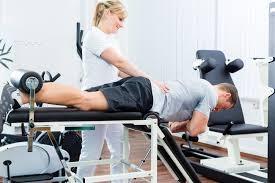
When an injury or physical limitation interrupts an active lifestyle, rest may provide temporary relief, but returning to normal activities often requires more than simply waiting for the body to recover. Muscles can become weaker, joints may lose mobility, and movement patterns can change when a person avoids certain activities. Physical therapy provides a structured way to rebuild physical capabilities through guided movement, progressive exercises, functional activities, and education. The process is designed around the individual's current abilities and can help people work toward practical goals such as returning to work, exercising, participating in sports, or completing everyday responsibilities.
Recognizing When Movement Has Changed
Physical limitations are not always dramatic. Sometimes they appear as small changes in the way a person walks, climbs stairs, bends, reaches, or performs familiar activities. A person might notice that one side of the body feels weaker, that certain movements require more effort, or that normal activities cannot be performed for as long as before. These changes can influence overall activity levels and confidence. Paying attention to movement limitations can help individuals recognize when professional rehabilitation may be useful for understanding their physical needs and developing an appropriate recovery strategy.
Exploring Physical Therapy San Ramon Options
People researching Physical Therapy San Ramon can explore rehabilitation options designed to help individuals address movement limitations and work toward improved physical performance. Physical therapy can be relevant to people recovering from orthopedic injuries, sports problems, accidents, surgery, or periods of inactivity. Treatment may involve exercise-based rehabilitation, mobility activities, strengthening, balance work, movement training, and functional exercises. Rather than treating every patient with the same routine, rehabilitation can be organized around individual goals, current abilities, lifestyle requirements, and desired activities.
Understanding the Initial Evaluation
An evaluation gives a therapist an opportunity to understand how a patient's physical abilities currently compare with their everyday requirements. The assessment may consider joint movement, muscle strength, flexibility, balance, coordination, posture, endurance, and functional movement. A patient's description of their normal activities is equally important. Someone who spends most of the day at a desk may have different rehabilitation priorities from a construction worker, runner, cyclist, or recreational athlete. Combining physical findings with lifestyle information can help establish appropriate rehabilitation priorities.
Creating a Roadmap for Recovery
A rehabilitation plan works best when it has a clear direction. Instead of approaching recovery as a collection of unrelated exercises, patients can work through stages that build upon one another. Early activities may focus on restoring comfortable movement and basic physical capacity. Later stages can emphasize strength, endurance, coordination, and more complex functional movements. Eventually, exercises may become more closely connected to work, sports, exercise, or recreational activities. This staged approach can make the recovery process easier to understand and gives patients specific milestones to work toward.
Restoring Movement Quality
Strength alone does not determine how effectively a person moves. Coordination, flexibility, balance, timing, and movement control also play important roles. After an injury, people sometimes develop compensatory movement patterns because they are protecting an uncomfortable area or avoiding a particular motion. Physical therapy can use controlled exercises to help patients become more aware of movement and gradually practice improved patterns. Better movement quality can make everyday activities feel more manageable and provide a foundation for more demanding physical tasks.
Rebuilding Physical Capacity
Physical capacity refers to the body's ability to tolerate and perform physical demands. An injury can reduce this capacity, particularly when activity has been restricted for an extended period. Rehabilitation can progressively challenge the body through appropriate strengthening and conditioning exercises. The level of challenge can change as the patient develops greater physical ability. Building capacity gradually is especially relevant for people who want to return to occupations, exercise programs, or sports that require sustained physical effort.
Addressing Stiffness and Restricted Mobility
Joint and muscle stiffness can affect how comfortably a person performs everyday movements. Reaching overhead, turning the body, squatting, walking, or bending may become more difficult when mobility is limited. Rehabilitation can include exercises designed to encourage appropriate movement through available ranges. Mobility work can be combined with strengthening and functional training so that improved movement becomes useful in practical situations. Patients can also learn strategies for incorporating appropriate movement into their daily routines.
Developing Stability and Body Control
Stability allows the body to remain controlled during movement. It can be especially important when changing direction, stepping onto uneven surfaces, lifting objects, or performing activities that require one-sided support. Rehabilitation may incorporate controlled stability exercises that gradually increase in difficulty. These activities can challenge coordination while allowing patients to develop greater awareness of their body's position. Improved control can contribute to confidence during everyday movement and physical activity.
Training for Real-World Activities
A major advantage of functional rehabilitation is its connection to everyday life. Instead of focusing exclusively on isolated movements, therapy can incorporate activities that resemble the patient's actual responsibilities. Someone who needs to lift objects at work may eventually practice appropriate lifting-related movements. A parent may need to repeatedly bend, reach, carry, and move around the home. An athlete may need to perform sport-specific patterns. Relating exercises to real-world activities can make rehabilitation more relevant and purposeful.
Returning to an Active Lifestyle
Many people seek rehabilitation because they want to return to activities they enjoy. Physical activity may include walking, running, hiking, cycling, strength training, swimming, recreational sports, or other hobbies. Returning immediately to previous activity levels may not always be appropriate after an injury. A progressive rehabilitation program can help individuals rebuild the physical abilities required for their preferred activities. Exercise demands can increase gradually as strength, endurance, mobility, and coordination improve.
Supporting Athletes Through Different Stages
Athletic rehabilitation often requires more than simply reducing symptoms. Athletes need to regain the physical qualities required for their particular activity. Depending on the sport, these may include power, endurance, agility, balance, speed, coordination, and repeated movement capacity. Rehabilitation can begin with foundational exercises and eventually introduce more demanding activities. The later stages may involve movements that resemble training or competition. This progression helps connect general physical recovery with the specific requirements of an active lifestyle.
Preparing for Occupational Demands
Work-related recovery can require a different approach depending on the occupation. A person working at a computer may need to tolerate prolonged sitting and frequent transitions. A healthcare worker may spend long periods standing and walking. A tradesperson may need to lift, carry, climb, kneel, or work in awkward positions. Rehabilitation can consider these occupational requirements when establishing functional goals. Preparing for actual work demands can make the transition back to employment more practical.
Building Endurance Alongside Strength
Strength is only one component of physical performance. A person may be strong enough to complete one movement but still struggle to maintain activity over an extended period. Endurance training can therefore be an important part of rehabilitation for individuals returning to active jobs, sports, exercise, or demanding daily routines. Walking, controlled conditioning activities, and progressively longer periods of physical activity may be incorporated when appropriate. Building endurance gradually can help patients increase their tolerance for sustained activity.
Balance and Fall-Prevention Awareness
Balance becomes particularly important when individuals experience instability or reduced confidence while moving. Everyday environments contain many situations that challenge balance, including stairs, uneven sidewalks, changing surfaces, and crowded spaces. Rehabilitation can include exercises that encourage controlled weight shifting, coordination, and stability. Functional practice may help individuals become more comfortable managing common movement situations. For older adults, maintaining balance and physical strength can also be an important component of preserving independence.
The Importance of Consistency
Rehabilitation is generally a process rather than a single event. Improvements often develop through repeated practice and gradual progression. Attending therapy sessions can provide professional guidance, while appropriate home exercises can reinforce what is practiced during appointments. Consistency gives the body repeated opportunities to adapt to physical demands. Patients can discuss difficulties with their therapist so activities can be modified when appropriate rather than abandoning the rehabilitation process altogether.
Learning How to Manage Physical Activity
Rehabilitation can also teach individuals how to approach physical activity after an injury. Patients may learn the importance of gradual progression, proper exercise technique, appropriate rest, and paying attention to changes in physical performance. This knowledge can be valuable when transitioning from supervised rehabilitation to independent exercise. Understanding personal limitations and building activity progressively can help individuals make more informed decisions about their routines.
Measuring Improvements Beyond Pain
Pain may be one reason people seek physical therapy, but rehabilitation progress can involve much more than changes in discomfort. Improvements can include walking farther, climbing stairs more easily, lifting more comfortably, moving through a greater range, maintaining balance, or returning to a favorite activity. Functional improvements often provide useful evidence that physical abilities are changing. Setting measurable goals can help patients and therapists evaluate progress from several perspectives.
Maintaining an Active Routine After Recovery
Completing rehabilitation does not necessarily mean physical activity should stop. Appropriate exercise and movement can become part of a long-term lifestyle. Strength training, mobility exercises, walking, recreational activities, and other forms of physical activity can help individuals remain engaged with their physical abilities. Continuing appropriate movement may also help people maintain the progress developed during rehabilitation. The most effective long-term routine is one that fits the person's lifestyle and can be followed consistently.
Making Recovery Personal and Practical
Successful rehabilitation is not simply about completing a predetermined list of exercises. It is about connecting physical improvements to the patient's actual life. Someone who wants to return to weekend hiking may have different priorities from someone preparing for physically demanding work. A parent may prioritize lifting and carrying, while an athlete may prioritize agility and endurance. By identifying these differences, rehabilitation can become more practical and personally meaningful.
Conclusion: Turning Recovery Into Progress
Physical therapy can provide a structured pathway from limited movement toward greater physical capability. Through evaluation, individualized exercise, functional training, mobility work, strength development, balance activities, and gradual progression, patients can address different aspects of physical performance. For individuals exploring Physical Therapy San Ramon, rehabilitation can be an opportunity to focus not only on recovering from a physical setback but also on rebuilding confidence and preparing for the activities that define everyday life. With appropriate guidance and consistent participation, recovery can become a process of developing stronger, more capable, and more confident movement.
 Spanish
 English
 Arabic
 French
 Portuguese
 Deutsch
 Turkish
 Dutch
Dutch
 Italiano
 Russian
 Romaian
 Portuguese (Brazil)
 Greek
Greek