

Probiotic Cosmetics Market Set for Steady Growth Driven by Microbiome Science and Clean Beauty Trends
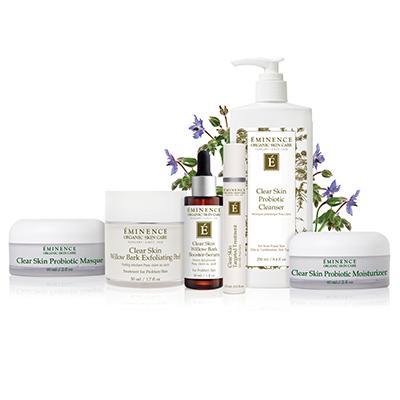
The global Probiotic Cosmetics market is experiencing steady growth as consumers increasingly embrace the science of the skin microbiome and seek products that offer more than just superficial benefits. These innovative formulations, infused with live microorganisms, postbiotics, and fermented ingredients, are designed to balance the skin's natural ecosystem, addressing root causes of conditions like inflammation, sensitivity, and acne. According to a comprehensive Probiotic Cosmetics Market analysis, the sector was valued at approximately USD 1.8 billion in 2025 and is projected to reach USD 2.4 billion by 2032, registering a steady compound annual growth rate (CAGR) of 4.4% during the forecast period . This growth trajectory reflects the increasing consumer demand for science-backed, holistic skincare solutions that go beyond traditional formulations.
Market Dynamics
Rising Awareness of Skin Microbiome Health
The primary driver of the probiotic cosmetics market is the growing consumer and scientific understanding of the skin's microbiome and its critical role in overall skin health . The skin microbiome helps maintain barrier function, regulate immunity, and prevent inflammatory disorders. Consumers are increasingly seeking products that support and balance this delicate ecosystem, moving away from harsh chemicals that can disrupt microbial balance . Topical applications of probiotics and postbiotics derived from strains like Lactobacillus and Bifidobacterium have shown benefits in calming reactive skin, strengthening the epidermal defense, and enhancing hydration .
Demand for Natural and Clean Beauty Products
The broader clean beauty movement and consumer preference for natural, non-toxic, and sustainably sourced ingredients strongly favor probiotic cosmetics . As consumers become more conscious of what they apply to their skin, they are gravitating toward products that are perceived as gentler, more holistic, and aligned with their health and wellness values . Probiotic cosmetics, formulated with beneficial microorganisms and natural fermented ingredients, fit perfectly within this clean beauty paradigm . This shift is a significant driver, pushing brands to reformulate existing products and develop new lines with probiotic and postbiotic elements .
Increasing Prevalence of Sensitive Skin Conditions
The growing incidence of skin conditions like acne, eczema, rosacea, and general sensitivity is driving consumers to seek effective, non-harsh solutions. Probiotic cosmetics, with their potential to rebalance the skin, reduce inflammation, and strengthen the skin barrier, offer a promising therapeutic and preventative approach. This is particularly relevant for individuals with reactive skin who may find traditional active ingredients too irritating. Products tailored for these conditions are seeing significant interest, both in consumer retail and clinical dermatology settings .
Technological Advancements in Stability and Delivery
A key enabler of market growth is the innovation in formulation technology, which has improved the stability and delivery of probiotic ingredients . Advances in microencapsulation, biofilm coating, and optimized preservative systems allow manufacturers to incorporate live cultures, postbiotics, and fermented extracts into creams, serums, and cleansers with acceptable shelf life . This overcomes previous challenges related to the fragility of live organisms, allowing for broader adoption and more effective products. As manufacturers adopt these techniques, product developers achieve a crucial balance between efficacy and cosmetic elegance .
Influence of Social Media and Wellness Culture
Beauty influencers, dermatologists, and wellness advocates on social media platforms are educating consumers about the skin microbiome. This widespread dissemination of information significantly boosts the visibility and demand for probiotic cosmetic products . The trend is further amplified by a general societal shift toward holistic wellness, where skincare is viewed as an integral part of overall health. Platforms like Instagram and TikTok have become key channels for brands to tell the compelling story of microbiome-friendly skincare, driving consumer trial and adoption .
Regional Outlook
North America is estimated to be the largest market for probiotic cosmetics, with the U.S. market valued at approximately USD 553.9 million in 2025 . Europe is a significant market, with strong demand for natural and scientifically validated products . Asia-Pacific is emerging as the fastest-growing region, with China forecast to grow at an impressive CAGR of 8.1% through 2032, driven by rising disposable incomes and a cultural affinity for fermented beauty . Japan and other Asian markets are also showing strong growth potential, leveraging traditional beauty practices that align with probiotic concepts .
Competitive Landscape
The Probiotic Cosmetics market features a competitive landscape with a mix of established global beauty conglomerates and nimble, science-led indie brands. Key players include L'Oréal S.A., Unilever PLC, The Estée Lauder Companies, Shiseido Co., Ltd., Procter & Gamble Co., Esse Skincare, Gallinée, TULA Life, Inc., Eminence Organic Skin Care, and Aurelia Probiotic Skincare . Competition is based on scientific credibility, product efficacy, innovation in stability and delivery, and the ability to build consumer trust through transparent education and clinically-backed claims.
Conclusion
The Probiotic Cosmetics market is on a steady growth trajectory, driven by a deeper understanding of the skin microbiome, the demand for clean and natural beauty, and technological innovations in formulation. The focus on science-backed, holistic skincare is reshaping product development and consumer engagement. With a projected CAGR of 4.4% through 2032, the market is expected to achieve sustained growth, solidifying the role of probiotic cosmetics as a mainstream component of global skincare portfolios .
FAQs
1. What are probiotic cosmetics?
Probiotic cosmetic products are skincare and beauty formulations that contain live beneficial bacteria, their metabolic byproducts (postbiotics), or fermented ingredients. They are designed to support and balance the skin's natural microbiome, promoting healthier, more resilient skin .
2. What is the projected market size for Probiotic Cosmetics by 2032?
The market is projected to reach approximately USD 2.4 billion by 2032, up from USD 1.8 billion in 2025, at a CAGR of 4.4% .
 Greek
Greek
 English
 Arabic
 French
 Spanish
 Portuguese
 Deutsch
 Turkish
 Dutch
Dutch
 Italiano
 Russian
 Romaian
 Portuguese (Brazil)