

Deployable Military Shelter Systems Market – Key Trends & Innovations: Technological Advancements, Sustainability, and Versatility Drive Industry Evolution
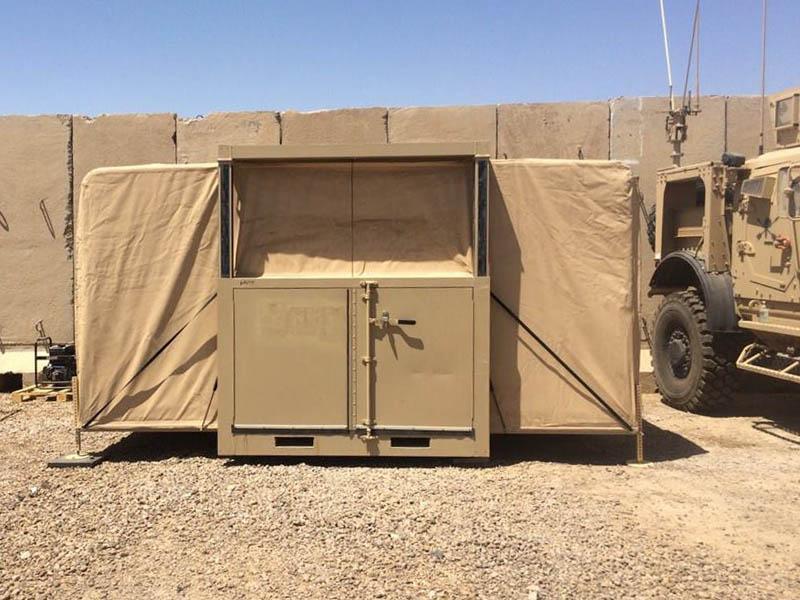
The Deployable Military Shelter Systems market is undergoing significant transformation, driven by technological innovations, sustainability imperatives, and the demand for versatile solutions. These trends are reshaping product development and market dynamics. According to an in-depth Deployable Military Shelter Systems industry forecast, the sector is witnessing a surge in technological advancements, with manufacturers increasingly adopting eco-friendly materials and energy-efficient technologies. This evolution reflects a broader commitment to reducing environmental impact while ensuring shelter systems remain effective and reliable for diverse operational scenarios.
Market Dynamics
Technological Advancements Revolutionizing Shelter Capabilities
The Deployable Military Shelter Systems market is witnessing a surge in technological innovations that enhance functionality and operational efficiency. Enhanced materials, such as lightweight composites and modular designs, are being integrated into shelter systems, allowing for quicker assembly and disassembly. These advancements improve operational efficiency and enhance the durability and functionality of shelters in various environments. The incorporation of climate control systems, energy-efficient solutions, and integrated smart technologies is becoming increasingly prevalent. For instance, the integration of renewable energy sources like solar panels into shelter designs is gaining momentum, aligning with sustainability goals while reducing operational costs.
Focus on Sustainability and Eco-Friendly Solutions
Sustainability is emerging as a pivotal trend within the Deployable Military Shelter Systems market. Military organizations and manufacturers are increasingly prioritizing eco-friendly materials and energy-efficient designs. This shift reflects a broader commitment to reducing the environmental impact of military operations while ensuring that shelter systems remain effective and reliable. The adoption of sustainable practices could lead to a 15% reduction in lifecycle costs for military shelters. Manufacturers are exploring eco-friendly materials and energy-efficient designs to align with modern military strategies that prioritize resource conservation, addressing environmental concerns and reflecting a broader trend towards innovation in military logistics.
Increased Demand for Versatility and Multi-Functionality
The need for versatile shelter solutions is becoming more pronounced in the Deployable Military Shelter Systems market. Military forces are seeking adaptable systems that can serve multiple purposes, from command posts to medical facilities. This demand for multifunctionality drives innovation and encourages manufacturers to develop shelters that can be easily customized for various operational scenarios. The market is seeing a notable increase in demand for multi-functional shelters, with estimates suggesting a growth rate of around 6% annually. As military forces seek to enhance operational readiness and adaptability, the market is responding by offering more customizable and flexible solutions that can be configured for different uses.
Integration of Advanced Materials
The integration of advanced materials is a key trend in the Deployable Military Shelter Systems market. Manufacturers are utilizing lightweight composites, advanced fabrics, and high-strength alloys to improve shelter performance. These materials offer superior strength-to-weight ratios, enhanced durability, and improved insulation properties. Fabric shelters remain dominant due to their portability and quick deployment capabilities, but composite materials are gaining traction for their superior performance. The use of advanced materials enables shelters to withstand harsh environmental conditions while maintaining structural integrity, essential for military operations in diverse terrains and climates.
Modular Designs and Rapid Deployment Capabilities
Modular designs are becoming increasingly prevalent in the Deployable Military Shelter Systems market, enabling rapid deployment and customization. These designs allow shelters to be quickly assembled, disassembled, and reconfigured to meet changing operational requirements. The ability to rapidly deploy shelters is particularly valuable in crisis situations where time is of the essence, such as conflict zones and disaster relief operations. Modular designs also facilitate easier transportation and logistics, reducing the logistical burden on military forces. This trend towards modularity and rapid deployment is expected to continue, driven by the need for operational flexibility and efficiency.
Regional Outlook
North America leads in technological innovation and adoption of advanced shelter systems, driven by significant defense budgets and a focus on modernization. Europe is witnessing increased demand for sustainable and versatile shelter solutions, supported by regulatory frameworks promoting energy efficiency. Asia-Pacific is emerging as a key market for innovative shelter technologies, driven by escalating defense budgets and geopolitical tensions. The Middle East and Africa are investing in modern military infrastructure, including advanced shelter systems, to address regional instability and enhance operational capabilities. Across all regions, the focus on sustainability, technological advancement, and versatility is shaping the Deployable Military Shelter Systems market.
Competitive Landscape
The Deployable Military Shelter Systems market features intense competition among key players including General Dynamics, Northrop Grumman, L3Harris Technologies, Rheinmetall, Oshkosh Defense, BAE Systems, Thales Group, and Textron. These companies are investing heavily in research and development to create innovative solutions that meet evolving customer needs. Competition is based on factors such as price, quality, innovation, and the ability to provide customizable solutions. Strategic partnerships, mergers, and acquisitions are common as companies seek to expand their product portfolios and global presence. The market is characterized by continuous innovation and collaboration among key players to enhance product offerings.
Conclusion
The Deployable Military Shelter Systems market is evolving rapidly, driven by technological advancements, sustainability imperatives, and the demand for versatile solutions. The integration of advanced materials, modular designs, and energy-efficient technologies is reshaping product development. The focus on sustainability is leading to the adoption of eco-friendly materials and renewable energy sources. The demand for multi-functional and rapidly deployable shelters is driving innovation and market growth. These trends position the market for continued expansion, with stakeholders increasingly prioritizing innovation and sustainability.
FAQs
1. What technological advancements are shaping the Deployable Military Shelter Systems market?
Innovations include lightweight composites, modular designs, integrated smart technologies, climate control systems, and renewable energy sources like solar panels.
2. Why is sustainability becoming a key trend in the market?
Military organizations are prioritizing eco-friendly materials and energy-efficient designs to reduce environmental impact and operational costs, aligning with global sustainability goals.
 English
 Arabic
 French
 Spanish
 Portuguese
 Deutsch
 Turkish
 Dutch
Dutch
 Italiano
 Russian
 Romaian
 Portuguese (Brazil)
 Greek
Greek