

MODERN EHS MANAGEMENT SYSTEM FOR COMPLIANCE MANAGEMENT
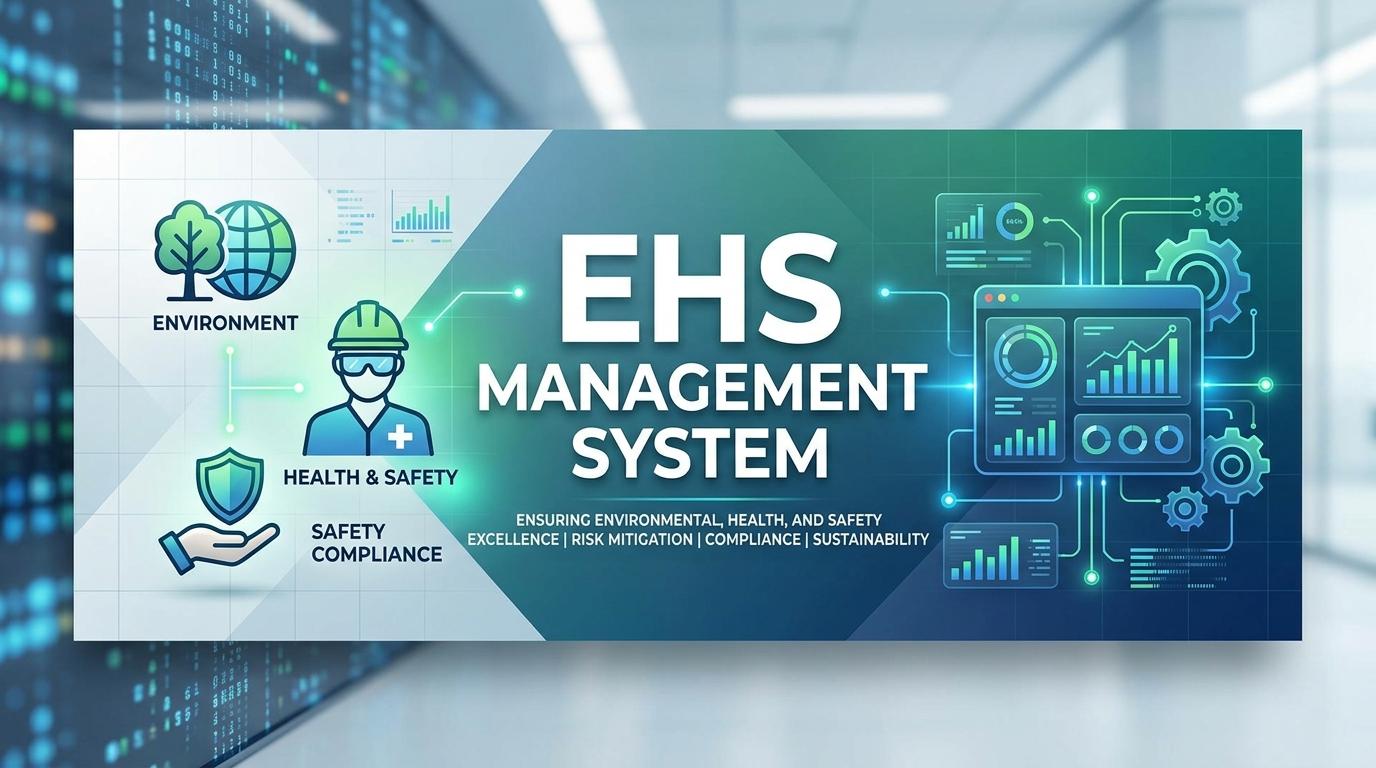
EHS management system has become an important solution for organizations that want to manage workplace safety, environmental responsibilities and compliance requirements in a more organized way. An EHS management system helps businesses collect safety information, monitor workplace conditions and maintain proper records through digital tools. I believe that modern companies need structured safety solutions because workplace regulations and safety responsibilities are continuously changing.
Today, organizations are adopting EHS software, compliance management software and workplace safety software to improve their safety processes. These systems support safety compliance, audit management, risk management system activities and incident reporting tools. They help teams manage safety operations more efficiently and create a safer working environment.
IMPORTANCE OF EHS MANAGEMENT SYSTEM IN COMPLIANCE MANAGEMENT
An EHS management system plays a major role in helping businesses maintain compliance standards. Organizations need to follow different safety requirements, and managing these responsibilities manually can become difficult.
A digital system helps companies organize:
• Safety documentation
• Compliance records
• Workplace inspections
• Regulatory information
They allow safety teams to access updated information and make better decisions. You can use these systems to maintain a clear and structured compliance process.
ROLE OF EHS SOFTWARE IN MODERN WORKPLACES
EHS software supports organizations by combining different safety activities into one platform. It helps employees and managers manage safety information without depending on traditional paperwork.
Modern EHS software can assist with:
• Safety monitoring
• Employee training records
• Hazard identification
• Safety performance tracking
This makes workplace safety management easier because all important information can be managed in one place. I think digital systems help companies improve their safety approach by providing better visibility.
COMPLIANCE MANAGEMENT SOFTWARE FOR SAFETY CONTROL
Compliance management software helps organizations track safety requirements and maintain accurate records. It supports businesses in following internal policies and external safety standards.
Important functions include:
• Compliance tracking
• Document storage
• Safety reporting
• Regulation monitoring
He or she responsible for safety activities can review information quickly and prepare necessary reports. This improves the overall compliance process.
WORKPLACE SAFETY SOFTWARE FOR BETTER OPERATIONS
Workplace safety software provides tools that help organizations manage daily safety tasks. It supports employees by making safety processes easier and more accessible.
Common features include:
• Digital safety inspections
• Workplace assessments
• Safety checklists
• Corrective action management
These features help companies identify issues and improve workplace conditions. They also support better communication between employees and safety teams.
SAFETY COMPLIANCE THROUGH DIGITAL SYSTEMS
Safety compliance is an important part of every organization because it helps protect employees and maintain proper working conditions. An EHS management system provides better control over safety activities.
It helps businesses:
• Monitor safety requirements
• Maintain inspection records
• Track employee training
• Manage safety improvements
When companies have accurate information, they can respond to safety concerns more effectively.
AUDIT MANAGEMENT WITH EHS MANAGEMENT SYSTEM
Audit management helps organizations review their safety performance and identify areas that need improvement. An EHS management system makes audit processes easier by organizing information and keeping records updated.
Audit management supports:
• Audit planning
• Safety reviews
• Finding documentation
• Corrective action tracking
We can see that digital audit tools reduce manual effort and help organizations maintain better safety standards.
RISK MANAGEMENT SYSTEM FOR WORKPLACE PROTECTION
A risk management system helps businesses identify possible hazards and control workplace risks. It provides a structured way to analyze problems and create prevention strategies.
Risk management activities include:
• Identifying hazards
• Evaluating risks
• Creating safety plans
• Monitoring improvements
You should use proper risk management methods because early identification of problems can help prevent serious incidents.
INCIDENT REPORTING TOOLS FOR QUICK RESPONSE
Incident reporting tools are an important part of modern safety systems. They help employees report accidents, near misses and workplace concerns in an organized way.
These tools allow organizations to:
• Record incidents
• Review causes
• Track solutions
• Improve prevention methods
When an incident occurs, they can collect information faster and use it to improve future safety practices.
BENEFITS OF USING EHS MANAGEMENT SYSTEM
An EHS management system provides several advantages for organizations that want better safety and compliance management.
Main benefits include:
• Improved safety organization
• Faster information access
• Better compliance monitoring
• Reduced paperwork
• Improved risk control
IT based safety solutions help companies manage their responsibilities more efficiently and support better workplace decisions.
HOW TO CHOOSE THE RIGHT EHS MANAGEMENT SYSTEM
Choosing the right EHS management system depends on company needs, workplace requirements and safety goals. Every organization has different challenges, so selecting suitable software is important.
Important factors include:
• Easy navigation
• Security features
• Reporting options
• Compliance support
• Integration capabilities
You should select a system that matches your operations and helps your safety team manage tasks effectively.
FUTURE OF EHS MANAGEMENT SYSTEM FOR COMPLIANCE MANAGEMENT
The future of EHS management system solutions will continue to focus on automation, improved reporting and better safety management. Organizations are moving toward digital systems because they provide more control over workplace information.
Future EHS software will include advanced analytics, smarter monitoring and improved reporting features. We can expect more companies to use these systems to manage compliance and workplace safety.
An EHS management system will continue to be an important part of modern safety practices because it supports compliance management, risk control and better workplace protection through organized digital solutions.
 Russian
 English
 Arabic
 French
 Spanish
 Portuguese
 Deutsch
 Turkish
 Dutch
Dutch
 Italiano
 Romaian
 Portuguese (Brazil)
 Greek
Greek