

Frequently Asked Questions About Lipoma Treatment and Removal
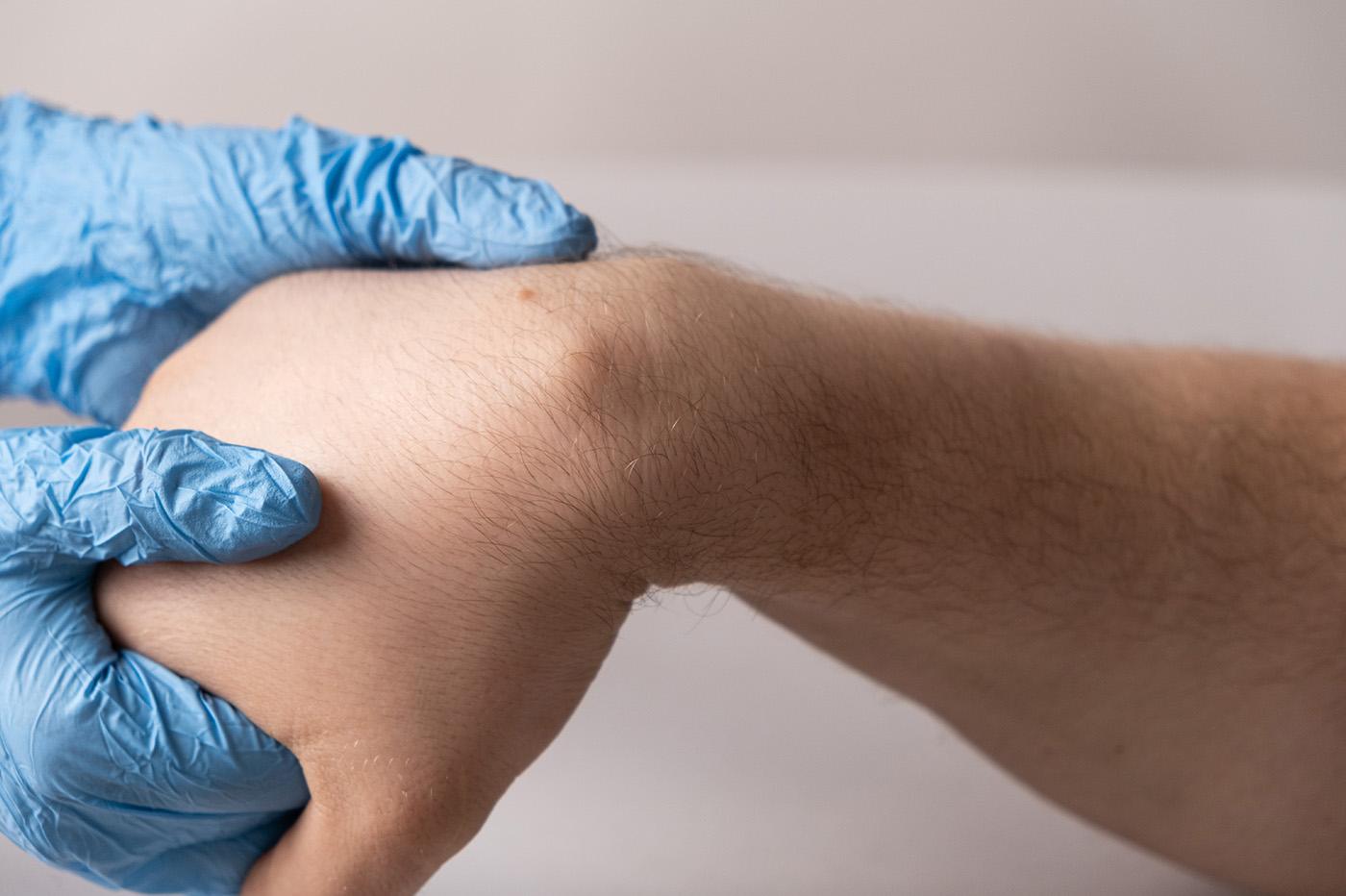
Lipomas are common benign fatty growths that develop under the skin and are usually harmless, but they often raise many questions for patients considering treatment. Understanding the condition and available options can help reduce anxiety and support informed decisions. One of the most common treatments is Lipoma removal Surgery, which provides a definitive solution for larger or symptomatic lumps. This article answers frequently asked questions to help clarify doubts about diagnosis, treatment, and recovery.
What Is a Lipoma?:
A lipoma is a soft, slow-growing lump made of fat cells that forms beneath the skin. These growths are typically painless, movable, and benign, meaning they are not cancerous. Lipomas can appear anywhere on the body but are most commonly found on the neck, shoulders, back, arms, and thighs. While they are usually harmless, they may sometimes require medical attention depending on their size, location, or symptoms.
Are Lipomas Dangerous?:
Lipomas are generally not dangerous and do not spread to other parts of the body. They are considered benign tumors with very low risk of complications. However, medical evaluation is important to confirm the diagnosis and rule out other conditions. Key facts include:
- Lipomas are non-cancerous
- They do not become cancer over time
- They usually grow slowly
- Most do not require urgent treatment
- Medical confirmation is still recommended
When Should a Lipoma Be Treated?:
Treatment is not always necessary, but it may be recommended in certain situations. Doctors usually suggest treatment when the lipoma causes discomfort or cosmetic concerns. Common reasons for treatment include:
- Rapid growth of the lump
- Pain or tenderness
- Interference with movement
- Cosmetic concerns
- Pressure on surrounding tissues
In such cases, Lipoma removal Surgery may be advised for complete removal.
What Causes Lipomas?:
The exact cause of lipomas is not fully understood, but several factors may contribute to their development. These include genetic tendencies and certain biological influences. Possible causes include:
- Genetic predisposition
- Family history of lipomas
- Minor tissue trauma (in rare cases)
- Age-related changes in fat tissue
- Unknown biological factors
Most lipomas develop without a clear cause.
How Are Lipomas Diagnosed?:
Doctors diagnose lipomas through a physical examination and, if needed, imaging tests. The goal is to confirm that the lump is benign and not another condition. Diagnostic methods include:
- Physical examination of the lump
- Ultrasound imaging
- MRI scans for deeper growths
- Biopsy in rare cases
- Review of medical history
These steps ensure accurate diagnosis and safe treatment planning.
Do All Lipomas Need Surgery?:
Not all lipomas require surgical removal. Many small, painless lipomas can simply be monitored over time. Surgery is usually recommended only when necessary. Situations where surgery may be needed include:
- Large or growing lipomas
- Painful or uncomfortable lumps
- Cosmetic concerns
- Functional limitations
- Uncertainty in diagnosis
Observation is often sufficient for stable cases.
What Is Lipoma Removal Surgery Like?:
Lipoma removal is a minor surgical procedure where the entire lump is excised along with its capsule. It is typically performed under local anesthesia and is considered safe and straightforward. The general process includes:
- Cleaning and preparing the area
- Administering local anesthesia
- Making a small incision
- Removing the lipoma completely
- Closing the wound with stitches
The procedure is usually completed in a short time.
Is Lipoma Surgery Painful?:
Most patients experience minimal discomfort during and after the procedure. Local anesthesia ensures that the area is numb during surgery. After the procedure, mild soreness may occur for a few days. Pain management typically includes:
- Local anesthesia during surgery
- Mild post-operative soreness
- Over-the-counter pain relief if needed
- Quick reduction in discomfort
- Easy recovery process
Overall, it is considered a low-pain procedure.
How Long Is the Recovery Time?:
Recovery after lipoma removal is usually quick, especially for small or superficial lipomas. Most patients return to normal activities within a few days. Typical recovery timeline includes:
- First few days: mild swelling or discomfort
- One week: significant healing progress
- Two weeks: stitch removal if required
- Few weeks: full healing of tissue
- Gradual return to normal routine
Proper aftercare supports faster recovery.
Can Lipomas Come Back After Removal?:
Lipomas rarely return after complete surgical removal, especially when the entire capsule is excised. However, new lipomas may develop in different areas of the body. Important points include:
- Low recurrence after complete removal
- New lipomas may appear elsewhere
- Incomplete removal increases recurrence risk
- Genetic factors may influence new growth
- Regular monitoring is helpful
True recurrence is uncommon.
Are There Non-Surgical Treatment Options?:
Yes, but they are generally less effective than surgery. Non-surgical methods may reduce size but do not always remove the lipoma completely. Options include:
- Liposuction (partial removal)
- Steroid injections (size reduction only)
- Observation for small lipomas
- Experimental or unproven remedies
- Lifestyle management for overall health
For complete results, surgery remains most effective.
What Are the Risks of Lipoma Surgery?:
Lipoma surgery is safe, but like any procedure, it carries minor risks. These are usually rare and manageable. Possible risks include:
- Mild scarring at incision site
- Temporary swelling or bruising
- Infection in rare cases
- Minor numbness
- Delayed wound healing
Proper medical care minimizes these risks significantly.
How Do I Prepare for Surgery?:
Preparation helps ensure a smooth and safe procedure. Doctors usually provide specific instructions before surgery. Common preparation steps include:
- Sharing medical history with the doctor
- Avoiding certain medications if advised
- Arranging transportation if needed
- Following fasting instructions if required
- Wearing comfortable clothing
Good preparation improves surgical outcomes.
When Should I See a Doctor?:
You should consult a doctor if you notice any changes in a lump or have concerns about its nature. Early evaluation is important for accurate diagnosis. Warning signs include:
- Rapid growth of the lump
- Pain or discomfort
- Changes in shape or texture
- Multiple lumps appearing
- Uncertainty about diagnosis
Early consultation ensures proper care and peace of mind.
Why Is Professional Treatment Important?:
Professional evaluation ensures that the lump is correctly diagnosed and treated in the safest way possible. Self-diagnosis is not reliable, and medical expertise is essential for proper management. Patients considering Lipoma removal Surgery should always consult a qualified healthcare provider to ensure accurate diagnosis and appropriate treatment planning.
Final Thoughts
Lipomas are usually harmless, but understanding their nature and treatment options helps patients make informed decisions. While many cases require only observation, surgical removal remains the most effective solution for symptomatic or concerning lipomas. With proper medical guidance, Lipoma removal Surgery is a safe and reliable procedure that offers excellent outcomes, minimal risk, and long-term relief for patients seeking treatment.
 English
 Arabic
 French
 Spanish
 Portuguese
 Deutsch
 Turkish
 Dutch
Dutch
 Italiano
 Russian
 Romaian
 Portuguese (Brazil)
 Greek
Greek