

When Should Teenagers Start Seeing a Gynecologist?
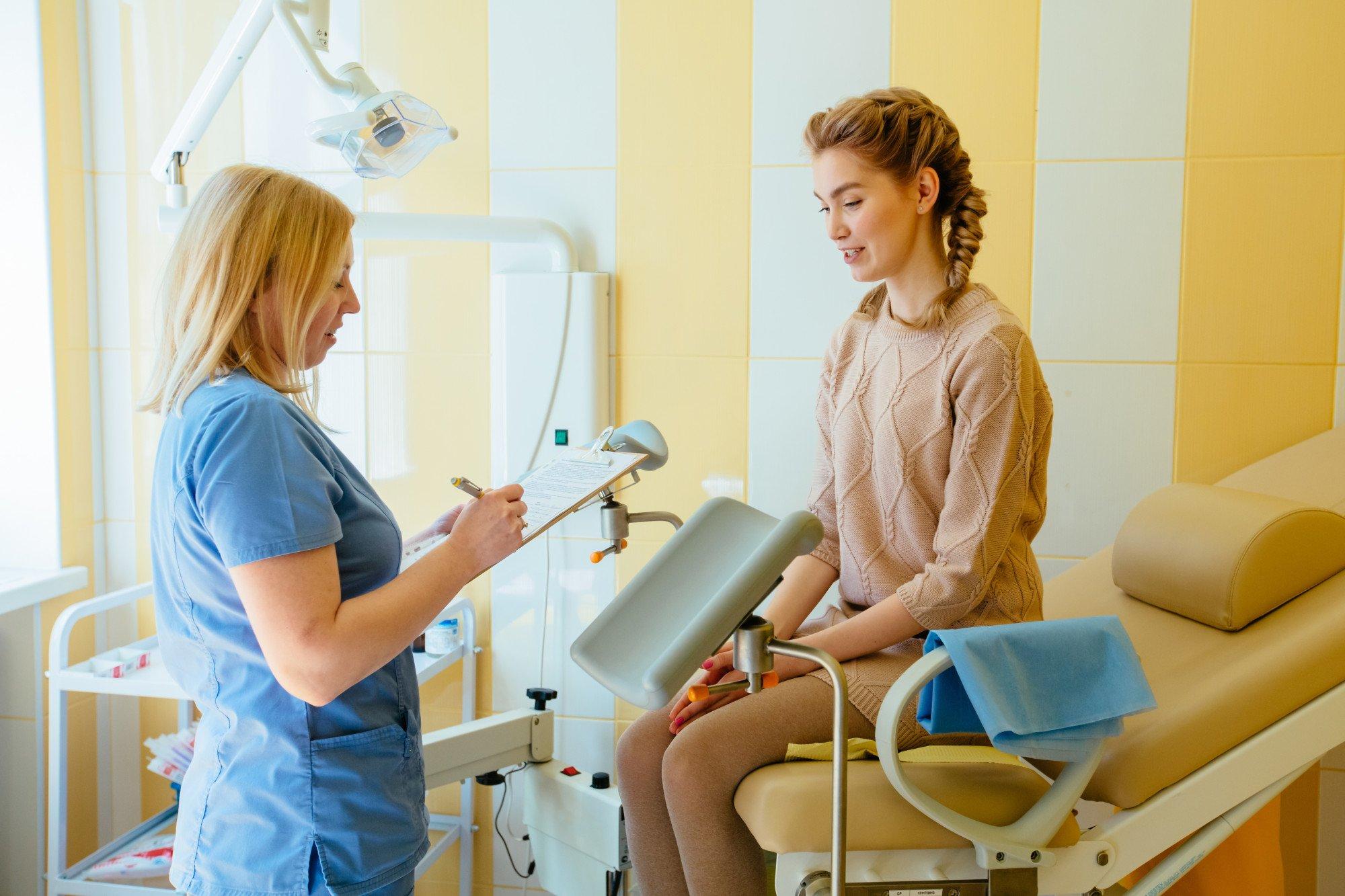
Teenage years are a critical stage for physical, emotional, and hormonal development, and this is often when many questions about reproductive health begin to arise. Understanding when to introduce gynecological care helps ensure early education, prevention, and healthy habits that last into adulthood. A Gynecologist Riyadh can provide a safe, confidential space for teenagers to learn about their bodies, manage menstrual changes, and address any concerns related to reproductive health without fear or stigma.
Understanding Teenage Gynecological Care:
Teenage gynecological care focuses on education, prevention, and early identification of reproductive health issues. It is not only about treating problems but also about guiding adolescents through puberty, menstrual health, and bodily changes in a supportive environment.
Recommended Age for First Visit:
Most medical guidelines suggest that teenagers should have their first gynecologist visit between ages 13 and 15, or earlier if there are specific concerns. The first visit is usually simple and focused on education rather than physical examinations unless necessary.
Reasons Teenagers May Need to See a Gynecologist Early:
There are several situations where a teenager should see a gynecologist earlier than the recommended age. Early consultation helps address concerns promptly and prevents long-term complications.
Common reasons include:
- No menstruation by age 15
- Extremely painful periods
- Very irregular menstrual cycles
- Heavy or prolonged bleeding
- Severe acne or hormonal symptoms
- Pelvic pain or discomfort
- Signs of early puberty concerns
What Happens During the First Visit:
The first gynecological visit for teenagers is typically informative and non-invasive. The goal is to build trust, answer questions, and provide education about reproductive health rather than perform extensive examinations.
Topics Discussed During Consultation:
Gynecologists focus on educating teenagers about their bodies, menstrual cycles, and overall reproductive health. This helps reduce confusion and promotes healthy habits.
Common discussion topics include:
- Menstrual cycle education
- Puberty and hormonal changes
- Hygiene practices
- Breast health awareness
- Emotional changes during adolescence
- Nutrition and lifestyle guidance
- Safe reproductive health habits
Importance of Menstrual Health Awareness:
Menstrual health is one of the most important aspects of teenage gynecology. Understanding what is normal helps teenagers recognize when something is wrong and seek help early.
Normal menstrual patterns include:
- Cycle length between 21–35 days
- Period duration of 2–7 days
- Mild to moderate cramps
- Predictable cycle timing
- Manageable flow without excessive pain
Common Teenage Gynecological Concerns:
Teenagers often experience a range of gynecological issues due to hormonal changes during puberty. These concerns are usually treatable with proper guidance.
Common issues include:
- Irregular periods
- Severe menstrual cramps
- Acne and hormonal skin changes
- Premenstrual syndrome (PMS)
- Delayed or early puberty
- Vaginal infections
- Anxiety related to body changes
Importance of Early Education:
Early education about reproductive health helps teenagers make informed decisions and reduces fear or misconceptions about their bodies. Gynecologists play a key role in providing accurate, age-appropriate information.
Role of Gynecologists in Teen Health:
Gynecologists support teenagers by monitoring development, addressing concerns, and guiding them through puberty. They also help identify any underlying health conditions that may affect growth or fertility later in life.
Confidentiality and Comfort:
Confidentiality is essential when it comes to teenage gynecological care. Gynecologists ensure a safe and private environment where teenagers can openly discuss their concerns without judgment.
When a Physical Exam Is Needed:
In most teenage visits, a physical exam is not required unless there are specific medical concerns. Gynecologists only perform examinations when necessary and always explain the process beforehand.
Situations where exams may be needed:
- Severe pelvic pain
- Suspected infections
- Abnormal bleeding
- Delayed puberty evaluation
- Persistent menstrual irregularities
Menstrual Pain and Its Management:
Many teenagers experience menstrual cramps, but severe pain should not be ignored. Gynecologists help determine whether pain is normal or a sign of an underlying condition.
Pain management options include:
- Over-the-counter pain relief
- Heat therapy
- Dietary adjustments
- Regular exercise
- Hormonal treatments (if needed)
Hormonal Changes During Adolescence:
Hormonal fluctuations during puberty can cause physical and emotional changes. Gynecologists help teenagers understand these changes and manage symptoms effectively.
Mental and Emotional Health Support:
Teenage years can be emotionally challenging due to hormonal changes, body image concerns, and social pressures. Gynecologists often provide reassurance and guidance to support emotional well-being.
Common emotional concerns include:
- Mood swings
- Anxiety about body changes
- Stress related to menstruation
- Self-esteem issues
Lifestyle Guidance for Teenagers:
Healthy habits established during teenage years have long-term benefits for reproductive health. Gynecologists emphasize lifestyle choices that support balanced development.
Recommended habits include:
- Balanced nutrition
- Regular physical activity
- Adequate sleep
- Stress management
- Proper hygiene practices
- Avoiding unhealthy dieting habits
Importance of Vaccination and Preventive Care:
Preventive care is an important part of teenage gynecology. Vaccinations such as HPV protection help reduce the risk of cervical cancer later in life.
Building Long-Term Gynecological Care Habits:
Early visits help teenagers build a comfortable relationship with gynecological care. This encourages regular checkups in adulthood and promotes lifelong reproductive health awareness.
Benefits of Early Gynecological Visits:
Starting gynecological care during teenage years offers several long-term advantages for health and well-being.
Benefits include:
- Early detection of health issues
- Better menstrual understanding
- Reduced anxiety about puberty
- Improved reproductive health awareness
- Healthy lifestyle development
- Strong doctor-patient trust
Final Thoughts
Teenagers benefit greatly from early exposure to gynecological care, as it helps them understand their bodies, manage menstrual health, and build lifelong healthy habits. A supportive and informative approach ensures that young individuals feel confident and informed about their reproductive health. Regular guidance from a trusted Gynecologist Riyadh provides teenagers with a safe space for education, early diagnosis, and preventive care, laying the foundation for long-term physical and emotional well-being.
 Spanish
 English
 Arabic
 French
 Portuguese
 Deutsch
 Turkish
 Dutch
Dutch
 Italiano
 Russian
 Romaian
 Portuguese (Brazil)
 Greek
Greek