

Mastering the Sterilization Parameters for Silicone-Based Medical Devices
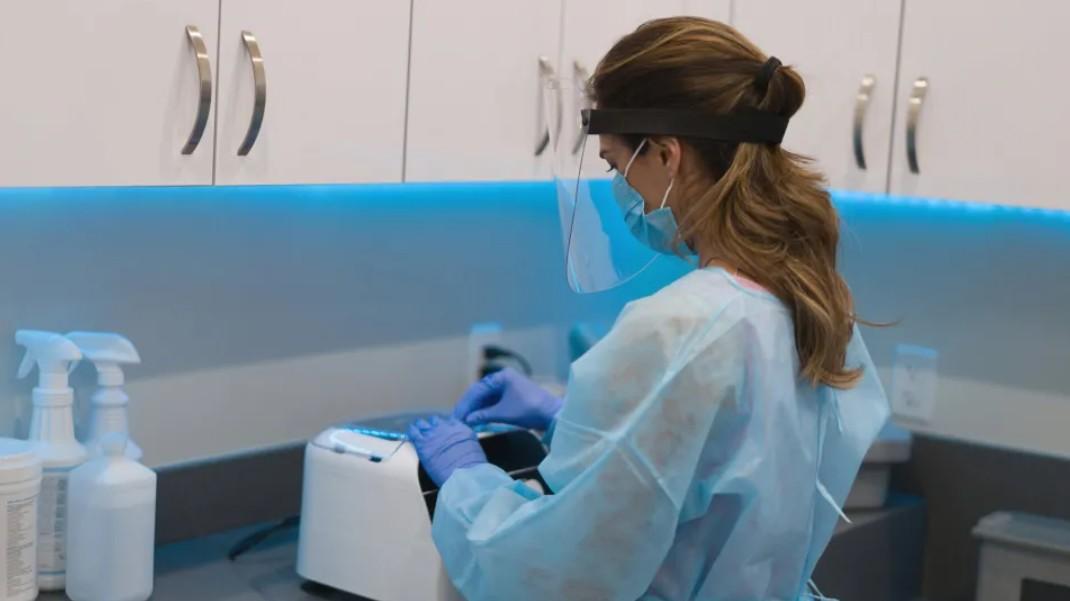
Silicone-based medical devices have become ubiquitous in modern healthcare, ranging from simple tubing and catheters to complex implantable components. Their popularity stems from their biocompatibility, flexibility, and heat resistance. However, these same properties present unique challenges when it comes to sterilization. Ensuring the complete elimination of microorganisms without compromising the structural integrity or material properties of the silicone is a critical task for healthcare facilities and device manufacturers. Understanding the specific parameters—temperature, pressure, exposure time, and chemical compatibility—is essential for any technician tasked with maintaining the safety of these devices.
Understanding the Material Sensitivity of Silicone Polymers
Before selecting a sterilization method, it is vital to understand the chemistry of silicone. Unlike many rigid plastics, silicone is a polymer that can be sensitive to certain aggressive chemical agents or excessive moisture depending on its curing process. Heat resistance is a hallmark of silicone; however, repeated exposure to the high temperatures of a steam autoclave can lead to polymer degradation over time, causing the material to become brittle or lose its elastic properties. Technicians must be aware of the manufacturer’s instructions for use (IFU) for every specific device. The IFU serves as the ultimate authority on whether a device is autoclavable or if it requires alternative methods like ethylene oxide (EtO) or low-temperature hydrogen peroxide gas plasma. Ignoring these material-specific warnings can lead to device failure, posing significant risks to patient safety during surgical or diagnostic procedures.
Steam Sterilization: Managing Heat and Moisture Dynamics
Steam sterilization remains the gold standard in most hospital settings due to its efficiency and lack of toxic residues. When processing silicone devices, the primary challenge is ensuring that the steam reaches all surfaces without overheating the material. The standard parameters for gravity displacement autoclaves typically involve exposure to saturated steam at temperatures between 121°C and 134°C. For silicone, the key is the drying phase. Because silicone can be hydrophobic in some formulations, water droplets may cling to surfaces or accumulate within lumens. If these devices are not properly dried before being removed from the sterilization chamber, the residual moisture can compromise the sterile barrier system, potentially leading to contamination. Technicians must ensure that the sterilization cycle is validated for the specific mass and material density of the silicone items being processed to guarantee both sterility and material longevity.
Low-Temperature Alternatives for Heat-Sensitive Silicone
When silicone devices are paired with other heat-sensitive materials, such as electronic sensors or delicate bonding agents, steam sterilization is often contraindicated. In these instances, low-temperature sterilization methods like hydrogen peroxide gas plasma or ethylene oxide become necessary. Hydrogen peroxide gas plasma operates at significantly lower temperatures, which preserves the physical characteristics of the silicone polymer while effectively neutralizing pathogens. However, this process is highly sensitive to cellulose-based materials, which can absorb the sterilant and lead to cycle cancellations. A trained technician understands these subtle environmental constraints. Gaining this level of operational knowledge is a primary objective of any high-quality sterile processing technician course, which teaches students how to reconcile the needs of the device with the limitations of the facility’s sterilization equipment.
Quality Assurance and Biological Monitoring Protocols
Sterilization parameters are not just about the machine settings; they are about rigorous documentation and verification. Biological indicators (BIs) and chemical indicators (CIs) are essential tools in verifying that the sterilization parameters have been met for each load containing silicone devices. For silicone-based implants, where the margin for error is non-existent, the use of process challenge devices (PCDs) is often recommended to simulate the most difficult-to-sterilize conditions. Technicians must perform daily monitoring and maintain detailed records to ensure compliance with regulatory standards like those set by the AAMI or ISO. This level of diligence prevents the distribution of improperly processed items. As healthcare technology continues to evolve, the demand for precision in sterile processing will only grow, underscoring the importance of standardized education and continuous professional development for those on the front lines of patient care.
 Italiano
 English
 Arabic
 French
 Spanish
 Portuguese
 Deutsch
 Turkish
 Dutch
Dutch
 Russian
 Romaian
 Portuguese (Brazil)
 Greek
Greek