

Cold Peeling vs Chemical Peeling: What’s the Difference?
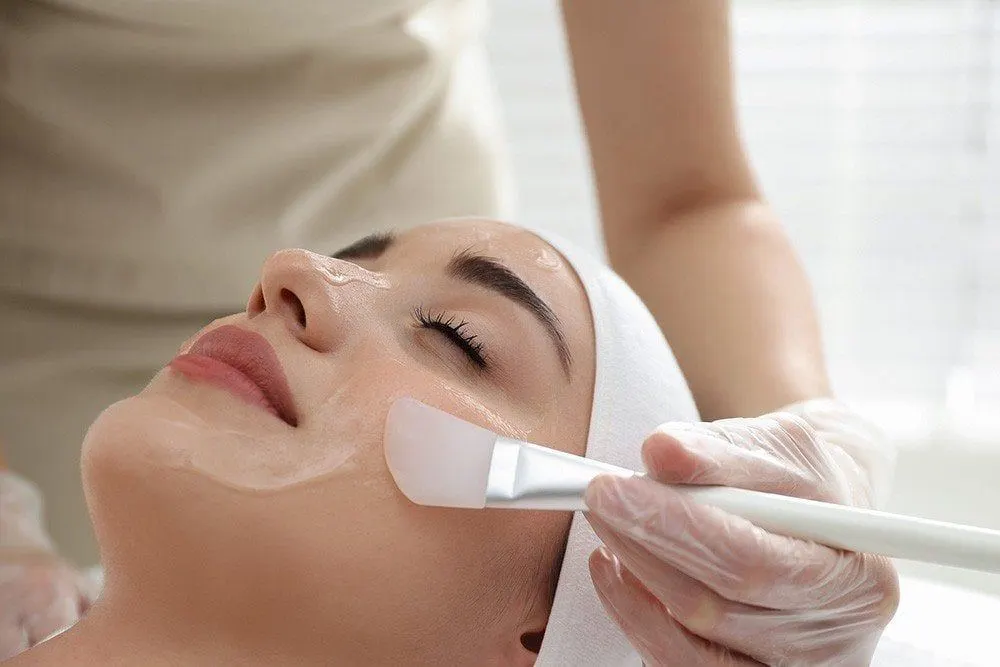
Skincare treatments designed to improve skin texture, tone, and overall appearance have become increasingly popular among people seeking healthier and more youthful-looking skin. Among the most talked-about procedures today are cold peeling and traditional chemical peeling. While both treatments focus on exfoliating and renewing the skin, they differ significantly in their methods, intensity, recovery time, and suitability for different skin types. Many individuals researching advanced skincare options, including those interested in Cold peel treatment Riyadh, often want to understand which treatment is more suitable for their needs and skin concerns.
Understanding Cold Peeling:
Cold peeling is a modern skincare treatment that combines gentle exfoliating ingredients with cooling technology to renew the skin comfortably. Unlike traditional peels that may create strong burning sensations, cold peeling focuses on calming and soothing the skin during the exfoliation process. The cooling effect minimizes irritation while supporting healthy cell turnover and hydration. This treatment is often recommended for individuals who want visible skin improvements with minimal downtime and discomfort.
Understanding Chemical Peeling:
Chemical peeling is a traditional skin resurfacing procedure that uses acidic solutions to remove damaged outer layers of skin. Depending on the strength of the peel, chemical peels can target concerns such as acne scars, pigmentation, wrinkles, and uneven texture. These treatments are typically categorized as superficial, medium, or deep peels based on their intensity. While chemical peels can produce dramatic results, they may also involve redness, peeling, sensitivity, and longer recovery periods.
The Main Difference Between Cold and Chemical Peeling:
The primary difference between cold peeling and chemical peeling lies in the treatment approach and skin response. Cold peeling uses cooling technology to calm the skin while delivering gentle exfoliation, whereas chemical peeling relies on stronger acids to create controlled skin damage and stimulate renewal. Cold peeling focuses on comfort and gradual improvement, while chemical peels often provide more intensive resurfacing with stronger visible effects. The choice between the two depends on skin sensitivity, treatment goals, and desired recovery time.
Treatment Comfort and Sensation:
Comfort is one of the most important factors for individuals considering professional skin treatments. Cold peeling is generally considered more comfortable because the cooling process helps soothe the skin during exfoliation. Most patients describe the treatment as refreshing and relaxing. In contrast, chemical peels may cause stinging, burning, or tingling sensations depending on the strength of the acids used. Some deeper chemical peels can create significant discomfort during and after the procedure.
Downtime and Recovery Period:
Recovery time is another major difference between these treatments. Cold peeling usually involves minimal downtime, allowing individuals to return to their normal routines quickly. Mild redness or sensitivity may occur temporarily, but severe peeling is uncommon. Chemical peels, however, often require longer healing periods, especially medium or deep peels. Skin peeling, redness, dryness, and increased sensitivity may last several days or even weeks depending on the peel’s intensity.
Suitable Skin Types for Each Treatment:
Cold peeling is often preferred for sensitive, dry, or reactive skin because of its gentle and soothing approach. The cooling technology helps reduce inflammation and irritation, making it safer for individuals who cannot tolerate aggressive treatments. Chemical peels can be suitable for a wider range of skin concerns but may not always be ideal for highly sensitive skin types. Stronger peels may increase the risk of irritation or pigmentation issues in some individuals, especially if not performed correctly.
Skin Concerns Addressed by Cold Peeling:
Cold peeling is effective for improving several common skin concerns while maintaining skin comfort and hydration. The treatment is commonly used for:
- Dull and tired-looking skin
- Mild pigmentation and uneven tone
- Fine lines and early aging signs
- Enlarged pores and rough texture
- Mild acne scars and blemishes
- Sensitive skin requiring gentle exfoliation
These benefits make cold peeling a versatile option for regular skin maintenance and gradual rejuvenation.
Skin Concerns Addressed by Chemical Peeling:
Chemical peels are often chosen for more intensive skin resurfacing needs and deeper correction. They are commonly used to target:
- Deep wrinkles and advanced aging signs
- Severe acne scars
- Significant sun damage
- Hyperpigmentation and melasma
- Uneven skin texture
- Chronic acne breakouts
Although chemical peels can produce stronger results, they also involve greater risks and recovery requirements.
Risk of Side Effects and Irritation:
Cold peeling is generally associated with fewer side effects because of its mild exfoliation and calming effects. Temporary redness or slight dryness may occur, but serious complications are uncommon when performed properly. Chemical peels carry a higher risk of irritation, prolonged redness, sensitivity, and post-inflammatory pigmentation, especially after stronger treatments. Proper aftercare and professional supervision are essential for minimizing complications with chemical peels.
Long-Term Skin Benefits:
Both treatments can improve skin appearance over time, but they achieve results differently. Cold peeling supports gradual skin renewal while maintaining hydration and skin barrier health. Repeated sessions may help preserve skin smoothness, brightness, and elasticity naturally. Chemical peels, on the other hand, can provide faster and more dramatic resurfacing effects for deeper skin issues. However, aggressive peeling may sometimes weaken the skin barrier temporarily during recovery.
Choosing the Right Treatment:
Selecting between cold peeling and chemical peeling depends on several personal factors, including skin sensitivity, treatment goals, and lifestyle preferences. Cold peeling may be the better option for individuals seeking gentle rejuvenation with minimal downtime, while chemical peels may suit those needing more intensive correction for severe skin concerns. Consulting a skincare professional is the best way to determine which treatment is appropriate based on skin condition and desired outcomes. Many people exploring Cold peel treatment Riyadh prefer this option because it offers a balanced combination of comfort, safety, and noticeable results.
Important Aftercare Tips for Both Treatments:
Proper aftercare is essential after any skin resurfacing procedure to protect the skin and maximize results. Helpful aftercare practices include:
- Wearing sunscreen daily
- Avoiding direct sun exposure
- Keeping the skin hydrated
- Using gentle skincare products
- Avoiding harsh exfoliants temporarily
- Following professional recommendations carefully
These steps help support healthy skin healing and maintain treatment benefits over time.
Why Cold Peeling Is Gaining More Attention:
The increasing demand for non-invasive and comfortable skincare treatments has contributed to the growing popularity of cold peeling. Modern consumers are often looking for procedures that fit into busy lifestyles without requiring extended recovery periods. Cold peeling aligns with current beauty trends that prioritize skin health, hydration, and gradual improvement rather than aggressive correction. Its ability to deliver refreshed and glowing skin with minimal discomfort has made it one of the most appealing options in contemporary skincare.
Final Thoughts:
Cold peeling and chemical peeling are both effective skin resurfacing treatments, but they differ significantly in comfort, intensity, recovery time, and suitability for different skin types. Cold peeling focuses on gentle exfoliation and soothing care, making it ideal for sensitive skin and individuals seeking minimal downtime. Chemical peeling provides deeper resurfacing and stronger correction for more advanced skin concerns but often requires longer recovery and greater caution. As more individuals seek safer and more comfortable skincare solutions, the popularity of Cold peel treatment Riyadh continues to grow among people looking for effective skin rejuvenation without harsh side effects.

 English
 French
 Spanish
 Portuguese
 Deutsch
 Turkish
 Dutch
Dutch
 Italiano
 Russian
 Romaian
 Portuguese (Brazil)
 Greek
Greek