

Plastic Credits: Complete Guide to Sustainable Waste Management
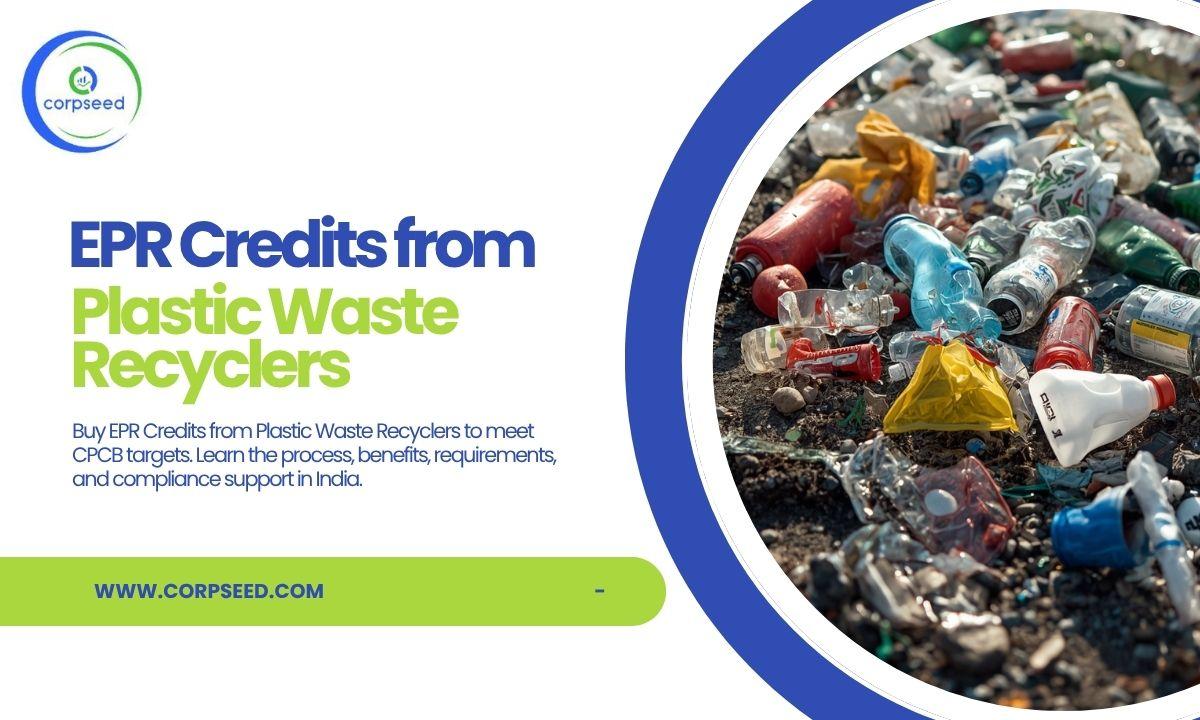
Plastic waste has become one of the biggest environmental concerns worldwide. Increasing plastic consumption has created a serious need for responsible waste management and recycling systems. To address this challenge, businesses are now adopting plastic credits as an effective solution for managing their plastic footprint and meeting environmental compliance obligations.
Plastic credits support the collection, recycling, and responsible disposal of plastic waste. They also help companies contribute to sustainability goals without directly establishing waste processing infrastructure. This guide explains everything about plastic credits, including their meaning, working process, benefits, and role in EPR compliance.
What Are Plastic Credits?
Plastic credits are certificates that represent the responsible processing of a certain quantity of plastic waste through collection, recycling, or safe disposal activities.
In simple terms:
- One plastic credit generally represents one ton of plastic waste managed responsibly.
These credits are issued by authorized recyclers or waste processors after verified waste management activities are completed.
Key Features of Plastic Credits
- Based on verified waste processing activities
- Issued by registered recyclers
- Helps businesses fulfill EPR targets
- Encourages sustainable waste management
- Supports circular economy initiatives
What Are Plastic Recycling Credits?
Plastic recycling credits are a category of plastic credits that specifically focus on recycling plastic waste into reusable raw materials. These credits ensure that collected waste is recycled instead of being disposed of in landfills or incinerated.
Plastic recycling credits help strengthen recycling infrastructure and promote responsible plastic reuse practices.
Difference Between Plastic Credits and Plastic Recycling Credits
Plastic Credits
- Include collection, recycling, and disposal activities
- Help offset overall plastic waste generation
- Support broader waste management initiatives
- Used for EPR compliance and sustainability goals
Plastic Recycling Credits
- Focus only on recycling activities
- Ensure conversion of plastic waste into reusable materials
- Improve recycling efficiency and resource recovery
- Support circular economy and material reuse
Importance of Plastic Credits
1. Reduction in Plastic Pollution
Plastic credits help reduce plastic leakage into the environment by supporting organized waste collection and recycling systems.
2. EPR Compliance Support
Businesses can use plastic credits to meet Extended Producer Responsibility (EPR) obligations under environmental regulations.
3. Growth of Recycling Industry
Plastic credits create financial opportunities for recyclers, waste collectors, and processing facilities.
4. Improved Corporate Sustainability
Companies can strengthen ESG (Environmental, Social, and Governance) performance through responsible plastic waste management.
How Plastic Credits Work
Step 1: Plastic Introduction into the Market
Companies manufacture or sell products containing plastic packaging.
Step 2: Assessment of Plastic Waste Obligation
The business calculates the quantity of plastic waste generated through its products.
Step 3: Purchase of Plastic Credits
The company purchases plastic credits from authorized recyclers or waste processors.
Step 4: Waste Collection and Processing
Recyclers collect and recycle an equivalent amount of plastic waste.
Step 5: Verification and Documentation
Authorities verify the recycling activities and issue compliance certificates.
Role of Plastic Credits in EPR Compliance
Extended Producer Responsibility (EPR) requires producers, importers, and brand owners to manage post-consumer plastic waste generated from their products. Plastic credits provide a flexible way for businesses to meet these obligations.
Key EPR Responsibilities
- Register with pollution control authorities
- Achieve annual recycling targets
- Maintain compliance records
- Submit annual reports and documentation
Using plastic credits allows businesses to fulfill these requirements efficiently through certified recyclers.
Types of Plastic Credits
1. Collection Credits
Issued for collecting plastic waste from waste streams or the environment.
2. Recycling Credits
Issued when plastic waste is recycled into reusable materials.
3. Disposal Credits
Issued for environmentally safe disposal of non-recyclable plastic waste.
Benefits of Plastic Credits for Businesses
Operational Benefits
- Simplifies waste compliance management
- Reduces operational burden
- Provides flexible waste management options
Financial Benefits
- More affordable than establishing recycling infrastructure
- Reduces waste handling costs
Brand Benefits
- Improves corporate image
- Builds consumer trust
- Demonstrates environmental responsibility
Environmental Benefits
- Promotes circular economy practices
- Supports recycling and reuse
- Reduces environmental pollution
Challenges in Plastic Credit Systems
Although plastic credits provide many advantages, certain challenges still exist:
- Lack of standardized global systems
- Complex verification procedures
- Risk of duplicate claims
- Limited awareness among businesses
- Differences in regional regulations
Stronger monitoring systems and transparent reporting can help address these challenges.
Best Practices for Managing Plastic Credits
Businesses should follow these practices for effective plastic credit management:
- Work with certified recyclers and processors
- Maintain accurate documentation
- Monitor plastic credit transactions regularly
- Conduct periodic compliance audits
- Align plastic credit strategies with sustainability goals
Global and Indian Regulatory Framework
India
Plastic credits are regulated under:
- CPCB guidelines
- Plastic Waste Management Rules, 2016 (amended)
International Standards
- Verra Plastic Waste Reduction Standard
- Basel Convention guidelines
- OECD environmental recommendations
These frameworks improve transparency and accountability in plastic waste management systems.
Example of Plastic Credit Usage
A company introduces 1,000 tons of plastic packaging into the market every year. Under EPR regulations, it may be required to recycle 70% of this waste.
Compliance Example
- Required recycling target: 700 tons
- Company purchases 700 plastic credits
- Authorized recyclers process equivalent plastic waste
- Compliance proof is submitted to authorities
This system helps businesses achieve compliance in a cost-effective and scalable way.
Plastic Credits vs Traditional Recycling
Plastic Credits
- Use third-party recyclers for waste management
- Require lower investment
- Offer flexible and scalable compliance solutions
- Reduce operational complexity
Traditional Recycling
- Requires direct involvement in recycling operations
- Needs large infrastructure investment
- Involves higher operational responsibilities
- Requires continuous maintenance and monitoring
Future of Plastic Credits
The plastic credit market is expected to grow significantly due to increasing environmental regulations and sustainability awareness.
Emerging Trends
- Blockchain-based tracking systems
- Digital EPR compliance platforms
- Improved traceability of plastic waste
- Global standardization of plastic credit systems
As businesses focus more on sustainability, plastic credits will continue to become an important part of environmental compliance strategies.
FAQs:
1. What are plastic credits?
Plastic credits are certificates representing the responsible collection, recycling, or disposal of plastic waste.
2. What are plastic recycling credits?
Plastic recycling credits ensure that plastic waste is recycled into reusable materials.
3. Why are plastic credits important?
They help reduce pollution, support recycling infrastructure, and assist businesses in meeting EPR obligations.
4. Who issues plastic credits?
Authorized recyclers and registered waste processors issue plastic credits after verified waste management activities.
5. Are plastic credits useful for EPR compliance?
Yes, plastic credits are widely used by businesses to fulfill EPR compliance requirements efficiently.
Conclusion
Plastic credits are transforming the way businesses manage plastic waste and environmental compliance. They provide a practical, scalable, and cost-effective solution for supporting recycling activities and reducing plastic pollution.
By adopting plastic credits and plastic recycling credits, businesses can strengthen sustainability efforts, achieve EPR compliance, and contribute to a circular economy.
 Romaian
 English
 Arabic
 French
 Spanish
 Portuguese
 Deutsch
 Turkish
 Dutch
Dutch
 Italiano
 Russian
 Portuguese (Brazil)
 Greek
Greek