

Festivals of Bhutan: A Journey Into the Kingdom's Living Culture
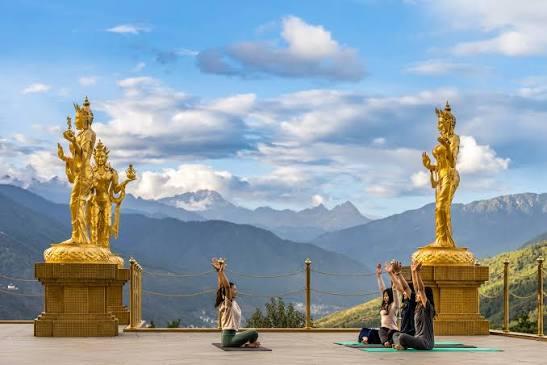
The festivals of Bhutan are among the country's most fascinating cultural experiences. They bring together spirituality, traditional music, colorful costumes, sacred dances, local food, and community celebrations. For visitors, attending a Bhutan festival offers an opportunity to experience traditions that remain an important part of everyday life.
Bhutan is often described as a peaceful Himalayan kingdom, but its festivals reveal a lively and colorful side of the country. Monasteries and dzongs become gathering places where people come together to celebrate, pray, socialize, and preserve generations-old customs.
What Are the Festivals of Bhutan?
Bhutan has many different festivals, ranging from major religious celebrations to local community events. Among the best known are Tshechus, which are held in different parts of the country throughout the year.
Tshechus are closely connected with Bhutanese Buddhist traditions and commonly feature sacred masked dances called Cham. Monks and lay performers wear elaborate costumes and masks while performing dances associated with religious stories and teachings.
These festivals aren't simply shows created for visitors. They have religious and social importance for local communities. People often travel from surrounding villages to attend, meet relatives, participate in ceremonies, and enjoy time together.
Why Are Bhutanese Festivals Important?
The festivals of Bhutan play an important role in preserving the country's cultural identity. Traditional dances, music, clothing, rituals, and stories are passed from one generation to another through these celebrations.
Festivals also create opportunities for communities to come together. Families often dress in their finest traditional clothing and spend several days participating in the event.
For travelers, this creates a unique opportunity to see Bhutanese culture in a natural setting. Instead of simply visiting a museum and reading about traditions, visitors can watch them being practiced by local communities.
Paro Tshechu
Paro Tshechu is one of the most famous festivals of Bhutan. It takes place in the historic Paro Valley and attracts large numbers of local residents and visitors.
The festival is known for its colorful masked dances, traditional music, religious performances, and elaborate costumes. The atmosphere around the festival grounds can be lively as people gather to watch the performances and participate in the celebrations.
One of the most anticipated moments is the display of a large sacred religious painting known as a Thongdrel. Its appearance is associated with blessings and spiritual significance.
Paro Tshechu can easily be combined with a visit to Tiger's Nest, making it an excellent choice for travelers who want to experience both Bhutanese culture and famous Himalayan landmarks.
Thimphu Tshechu
Thimphu Tshechu takes place in Bhutan's capital and is another major cultural celebration. It brings together people from different areas for several days of traditional dances, music, religious ceremonies, and social gatherings.
The festival provides an excellent opportunity to observe Bhutanese traditional clothing. Men commonly wear the gho, while women wear the kira, with many festival attendees choosing particularly beautiful fabrics and designs.
Visitors can combine Thimphu Tshechu with sightseeing around the capital. Monasteries, markets, monuments, craft centers, and traditional buildings provide plenty of opportunities to explore Bhutanese culture before or after the festival.
Punakha Drubchen
Punakha is home to several important cultural celebrations. Punakha Drubchen is distinctive because it incorporates historical performances connected with Bhutan's past.
Traditional costumes, dramatic scenes, dances, and community participation help bring historical stories to life.
The festival takes place around Punakha Dzong, one of Bhutan's most impressive historic structures. The dzong's location between two rivers makes the surrounding landscape particularly beautiful.
A visit during the festival can therefore combine history, architecture, spirituality, and scenic mountain views.
Punakha Tshechu
Punakha Tshechu provides another opportunity to experience Bhutanese religious traditions. The celebration features sacred dances, colorful costumes, music, and community gatherings.
Travelers can explore Punakha Dzong while attending the festival and visit nearby cultural attractions. The surrounding valley also offers opportunities for walking through villages and enjoying views of Bhutan's mountains and rivers.
For visitors interested in combining cultural activities with nature, Punakha can be an excellent festival destination.
Jambay Lhakhang Drup
The Jambay Lhakhang Drup takes place in Bumthang, a region known for its ancient temples, monasteries, and beautiful valleys.
The festival features religious ceremonies, traditional dances, and distinctive local customs. Some of its rituals are particularly unusual and memorable, adding to the festival's cultural appeal.
Bumthang is also an excellent destination for travelers who want to experience rural Bhutan. Visitors can explore villages, farmland, temples, and mountain landscapes while learning more about the region's spiritual traditions.
Gangtey Tshechu
Gangtey Tshechu takes place in the peaceful Phobjikha Valley. The surrounding landscape provides a beautiful setting for cultural celebrations.
The festival includes traditional dances and community activities, while Gangtey Monastery provides an important cultural and spiritual backdrop.
The Phobjikha Valley is also known for its natural beauty and traditional rural lifestyle. Travelers can combine the festival with scenic walks, village visits, and exploration of the valley.
Haa Valley Festivals
Haa Valley offers a quieter cultural experience compared with some of Bhutan's larger festival destinations.
Local celebrations highlight traditional food, music, sports, customs, and community life. Visitors can explore traditional homes, temples, farmland, and mountain scenery while attending local events.
A trip to Haa can be particularly appealing to travelers who want to discover a less crowded side of Bhutan.
Watch Cham Masked Dances
One of the most memorable features of the festivals of Bhutan is the Cham dance.
Performers wear elaborate masks and colorful costumes while moving to traditional music. The masks can represent spiritual figures, animals, deities, demons, and characters from religious stories.
The dances have religious meanings and are intended to communicate Buddhist teachings and spiritual messages.
For visitors, the combination of music, movement, costumes, and masks creates a spectacular cultural experience. However, these performances should be treated respectfully because they have deep religious significance.
Experience Traditional Bhutanese Clothing
Traditional clothing is another important part of Bhutanese festivals.
Men traditionally wear the gho, while women wear the kira. During major celebrations, people often wear their finest garments, creating a colorful scene throughout the festival grounds.
Bhutan is also known for its textile traditions. Travelers interested in traditional clothing can visit weaving centers and craft workshops to learn more about the techniques used to create Bhutanese fabrics.
Taste Bhutanese Festival Food
Food adds another dimension to experiencing the festivals of Bhutan. Traditional Bhutanese meals commonly feature rice, vegetables, cheese, and chilies.
Ema datshi, a combination of chilies and cheese, is one of the country's most recognizable dishes. Other meals can include red rice, vegetable dishes, soups, meat preparations, and regional specialties.
Trying local food during a festival provides an opportunity to experience another part of Bhutanese culture.
The Importance of the Thongdrel
Some Bhutanese festivals feature the unveiling of a large religious image known as a Thongdrel.
The display is often held early in the morning and attracts devotees who gather to receive its spiritual significance.
For visitors, witnessing the unveiling can be one of the most memorable moments of a festival. The size, intricate design, and religious importance of the image make it an impressive part of Bhutanese cultural traditions.
Festivals as Community Gatherings
The festivals of Bhutan aren't only religious events. They are also important social occasions.
People gather to meet friends and relatives, share food, watch performances, participate in religious activities, and enjoy time together.
This community aspect makes Bhutanese festivals especially interesting for travelers. Observing people interacting and celebrating provides a glimpse into the social traditions of the country.
Best Time to Experience Bhutanese Festivals
Bhutanese festivals take place throughout the year, so there isn't one single period that covers every celebration.
Some major festivals traditionally take place during spring, while others are held during autumn or different seasons. Festival dates are generally based on the Bhutanese lunar calendar, meaning their dates can change from year to year.
Travelers should therefore select the festival they want to attend first and then plan the rest of their journey around its schedule.
Combine Festivals With Cultural Tours
A festival can become the centerpiece of a broader Bhutan cultural tour.
Travelers can combine festival attendance with visits to ancient monasteries, dzongs, traditional villages, museums, markets, and craft centers.
For example, a Paro festival trip can include the Tiger's Nest hike, while a Thimphu itinerary can include Punakha and Dochula Pass. A Bumthang festival journey can focus on ancient temples and rural communities.
This approach allows travelers to experience different aspects of Bhutan rather than focusing entirely on one celebration.
Respect Bhutanese Festival Traditions
Visitors should remember that many festivals have deep religious significance.
Appropriate clothing is recommended, especially when visiting monasteries and dzongs. Travelers should avoid disturbing religious ceremonies and follow local instructions.
It is also courteous to ask permission before taking close-up photographs of people. Sacred objects and restricted areas should never be touched or entered without permission.
Respectful behavior helps preserve the special atmosphere of these celebrations.
Conclusion
The festivals of Bhutan offer a fascinating introduction to the country's culture, spirituality, history, and community traditions. From the famous Paro and Thimphu Tshechus to the celebrations of Punakha, Bumthang, Gangtey, and Haa, each festival provides a different cultural experience.
Visitors can watch sacred masked dances, admire traditional clothing, taste local food, explore historic dzongs, and observe communities coming together to celebrate their heritage.
A trip planned around a Bhutanese festival can therefore become much more than an ordinary vacation. It provides an opportunity to experience Bhutan's living traditions, discover its spiritual heritage, and connect with the cultural character of this remarkable Himalayan kingdom.
 Turkish
 English
 Arabic
 French
 Spanish
 Portuguese
 Deutsch
 Dutch
Dutch
 Italiano
 Russian
 Romaian
 Portuguese (Brazil)
 Greek
Greek