

Antibiotics at Home: How to Avoid Medication Errors
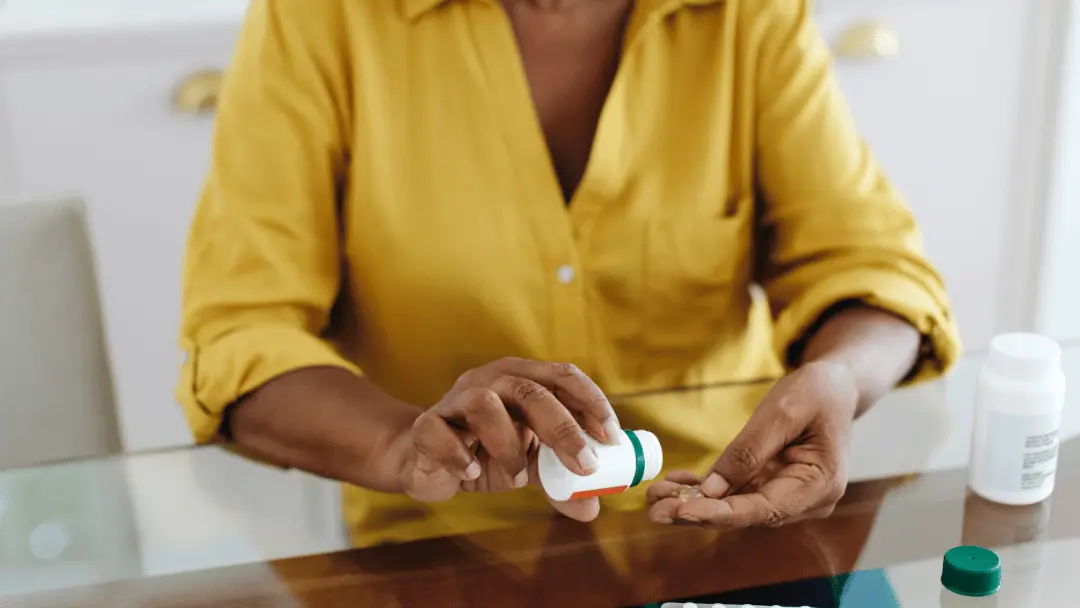
For people searching for Antibiotics at home in Dubai, knowing how to avoid medication errors is essential for safe and effective treatment. Antibiotics can help treat certain bacterial infections when appropriately prescribed, but mistakes involving the wrong medicine, dose, timing, or duration can reduce treatment effectiveness and increase the risk of side effects. A Doctor at Home can assess symptoms, review your medical history, and provide guidance on whether an antibiotic is appropriate. Understanding common medication errors and establishing simple safety habits can help patients use antibiotics responsibly while reducing unnecessary risks.
What Is an Antibiotic Medication Error?:
An antibiotic medication error is a preventable mistake involving the selection, prescribing, dispensing, or use of an antibiotic. Errors can include taking the wrong medicine, using an incorrect dose, taking doses too close together, forgetting doses, confusing different medicines, or using antibiotics prescribed for another person. Medication errors can happen when instructions are misunderstood, labels are unclear, or patients rely on memory instead of checking their prescription. Preventing these mistakes starts with understanding that antibiotics are prescription medicines that should be used according to individualized professional instructions rather than personal assumptions.
Never Take the Wrong Antibiotic:
One of the most important ways to prevent medication errors is to verify the exact antibiotic before taking it. Several medicines can have similar names, while the same antibiotic may be available in different strengths or formulations. Taking an antibiotic simply because it was previously prescribed for similar symptoms can also be dangerous because the current illness may have a different cause. Antibiotics are intended for specific bacterial infections, and they do not treat most viral illnesses such as common colds or influenza. Always confirm that the medicine was prescribed specifically for your current condition.
Check the Dose and Strength Carefully:
Medication errors can occur when patients confuse the strength of a medicine with the number of tablets or milliliters required per dose. For liquid antibiotics, using an ordinary kitchen spoon can also result in inaccurate measurement. Follow the dosing instructions exactly and use the measuring device supplied with the medicine when applicable. Parents and caregivers should pay particular attention to pediatric antibiotic doses because these may depend on factors such as the child's age, weight, and specific infection.
Before taking a dose, check:
- The antibiotic name.
- The strength of the medicine.
- The prescribed dose.
- How often it should be taken.
- Whether it is intended for the current illness.
- Any food or timing instructions.
Follow the Prescribed Schedule:
Taking antibiotic doses at inconsistent times can make it harder to follow the prescribed treatment plan. Establishing a routine can reduce forgotten doses and accidental double dosing. Phone reminders, medication schedules, or linking doses to appropriate daily activities can help. However, do not change the dosing frequency to make the schedule more convenient without professional advice. If you forget a dose, check the medication instructions or contact a pharmacist or healthcare professional for guidance rather than automatically taking two doses together.
Avoid Double Dosing After a Missed Dose:
A missed antibiotic dose does not always mean that you should take two doses at once. The correct response depends on the medicine and how much time has passed. Many medication instructions provide specific advice for missed doses, but patients should check the leaflet or ask a pharmacist if they are uncertain. Double dosing without guidance can increase the risk of side effects without necessarily improving treatment. A simple reminder system can help prevent missed doses in the first place.
Do Not Use Someone Else's Prescription:
Sharing antibiotics with family members or friends is another common medication error. Even if two people have similar symptoms, they may have different infections, allergies, medical histories, or treatment requirements. An antibiotic prescribed for one person may be ineffective or unsafe for another. The World Health Organization emphasizes the importance of appropriate antimicrobial use because misuse and overuse contribute to antimicrobial resistance.
Avoid these unsafe practices:
- Sharing antibiotics with family members.
- Taking medicine prescribed for a friend.
- Using leftover antibiotics.
- Repeating an old prescription without assessment.
- Choosing an antibiotic based solely on symptoms.
Avoid Using Leftover Antibiotics:
Saving leftover antibiotics in a home medicine cabinet can create opportunities for self-medication. A medicine remaining from a previous illness may not be appropriate for a new infection, and the remaining quantity may not correspond to the prescribed treatment plan. The medication could also have expired or been stored incorrectly. Instead of keeping antibiotics for future illnesses, ask a pharmacist or healthcare professional about appropriate disposal. Starting a new antibiotic should follow an appropriate medical assessment rather than availability at home.
Pay Attention to Food and Drink Instructions:
Some antibiotics can be taken with food, while others need to be taken on an empty stomach. Certain medicines can also interact with dairy products, mineral supplements, antacids, or other substances. Assuming that every antibiotic should be taken in the same way can lead to an administration error. Read the prescription instructions carefully and ask a pharmacist if you are unsure. Taking the medicine with the wrong food or drink may affect how it is absorbed, depending on the antibiotic.
Important questions include:
- Should the medicine be taken with food?
- Should it be taken before or after a meal?
- Does it need to be separated from dairy products?
- Should calcium, iron, or magnesium supplements be taken at another time?
- Are there other medicines that may interact with it?
Keep an Accurate Medication List:
Patients who take multiple medicines can reduce medication errors by keeping an updated list of everything they use. Include prescription medicines, over-the-counter products, vitamins, and supplements. Providing this information to a healthcare professional or pharmacist can help identify possible interactions. It is particularly important to mention known drug allergies and previous serious reactions to antibiotics. Keeping medicines in their original packaging can also make it easier to identify the correct product, strength, and instructions.
Recognize Possible Antibiotic Side Effects:
Even when an antibiotic is used correctly, side effects can occur. Common reactions may include nausea, stomach discomfort, or diarrhea, while some people may develop rashes or allergic reactions. Patients should understand the difference between an expected mild reaction and a potential emergency. Difficulty breathing, swelling of the face or throat, fainting, or a rapidly developing severe allergic reaction requires urgent medical attention. Severe or persistent diarrhea should also be discussed promptly with a healthcare professional.
Monitor for:
- Persistent or severe diarrhea.
- Significant vomiting.
- Worsening rash or hives.
- Facial, lip, or throat swelling.
- Difficulty breathing.
- Severe dizziness or fainting.
- Symptoms that become rapidly worse.
Store Antibiotics Safely at Home:
Correct storage is another way to reduce medication errors. Some medicines need to be stored at room temperature, while certain liquid formulations may have specific storage requirements. Always follow the storage instructions on the label or packaging. Keep antibiotics out of reach of children and avoid transferring tablets or capsules into unlabelled containers. Unclear packaging can make it easier to confuse medicines or accidentally take an incorrect dose.
Antibiotics at Home in Dubai: Follow Local Prescription Requirements:
For individuals looking for Antibiotics at home in Dubai, convenience should not lead to self-prescribing. Dubai Health Authority guidance states that antibiotics should not be dispensed without a prescription from a licensed physician and emphasizes consultation with a doctor. Obtaining appropriate medical advice helps ensure that the antibiotic selected is suitable for the suspected infection and that the dose and treatment instructions are clearly understood.
How Professional Guidance Helps Prevent Errors:
A Doctor at Home can provide professional assessment when a home consultation is appropriate. Reviewing symptoms, existing medicines, allergies, and relevant medical history can help determine whether antibiotics are needed and how they should be used. If an antibiotic is prescribed, patients can clarify questions about dosage, timing, food interactions, missed doses, and potential side effects. Professional guidance can therefore reduce the risk of relying on old prescriptions or making medication decisions based solely on previous experience.
Simple Habits for Safer Antibiotic Use:
Medication safety becomes easier when patients develop a consistent routine. Read the label before each new course, use reminders for scheduled doses, and keep medicines in their original packaging. Do not assume that instructions for one antibiotic apply to another. If something about the prescription seems unclear, ask before taking the medicine rather than guessing. Responsible antibiotic use also means taking antibiotics only when medically appropriate and avoiding unnecessary treatment, which supports efforts to reduce antimicrobial resistance.
A simple safety routine includes:
- Confirm the medicine and strength.
- Measure doses accurately.
- Follow the prescribed schedule.
- Check food and drink instructions.
- Keep an updated medication and allergy list.
- Never share antibiotics.
- Avoid leftover medicines.
- Ask about missed doses or side effects.
- Store medicines according to their labels.
Final Thoughts:
Avoiding medication errors is an important part of using antibiotics safely at home. Mistakes involving the wrong medicine, dose, timing, storage, or interactions can create unnecessary health risks and may reduce the effectiveness of treatment. For people considering Antibiotics at home in Dubai, the safest approach is to use antibiotics only when appropriately prescribed and to follow every instruction carefully. Checking labels, using accurate measuring tools, maintaining a consistent schedule, avoiding leftover or shared medicines, and asking qualified healthcare professionals when uncertain can make antibiotic treatment safer. Responsible use also helps protect the effectiveness of antibiotics for the future.
 Romaian
 English
 Arabic
 French
 Spanish
 Portuguese
 Deutsch
 Turkish
 Dutch
Dutch
 Italiano
 Russian
 Portuguese (Brazil)
 Greek
Greek