

Eyelid Bag Surgery Dubai: What to Expect During the Treatment Process
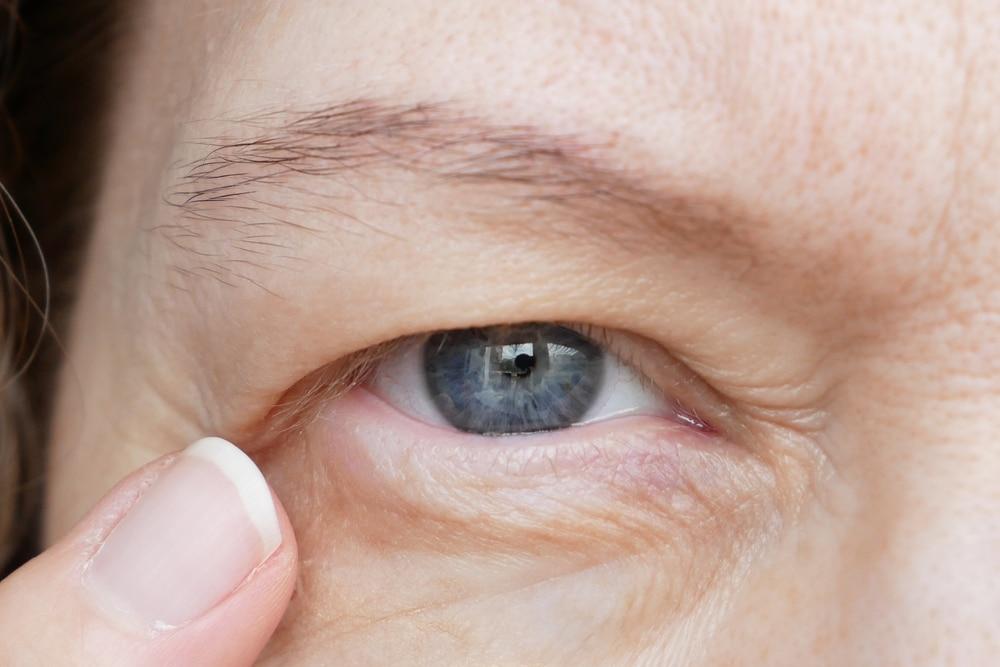
The appearance of the eyelids can change over time as the skin and tissues around the eyes naturally develop. For people who are concerned about under-eye bags, excess eyelid skin, or changes in the contour around the eyes, eyelid bag surgery may be considered as part of a personalised cosmetic treatment plan.
Understanding the process before making a decision is an important part of preparing for treatment. Eyelid Bag Surgery Dubai involves more than the procedure itself. The journey generally begins with a consultation, continues through treatment planning and preparation, and includes follow-up appointments after the procedure.
For those researching treatment options in Dubai, clinics such as Cornerstone may be among the providers to consider during the research stage. A detailed consultation can help explain what the procedure involves, how the treatment is planned, and what patients can expect throughout the process.
What Is Eyelid Bag Surgery?
Eyelid bag surgery is a cosmetic procedure designed to address changes in the appearance of the eyelids, particularly the area beneath the eyes. Depending on an individual's anatomy and treatment goals, the procedure may involve addressing excess skin, repositioning or removing selected fatty tissue, or improving the contour of the eyelid area.
The exact approach varies from person to person. Some patients may require treatment of the lower eyelids, while others may discuss upper eyelid surgery or a combination of procedures.
The objective is to create a treatment plan that corresponds to the individual's facial structure and the specific changes they want to address.
Why Do People Consider Eyelid Bag Surgery?
People consider eyelid surgery for different cosmetic reasons. Under-eye bags may become more noticeable over time, while changes in skin elasticity can affect the appearance of the lower eyelids.
Some individuals may also feel that excess upper eyelid skin changes the appearance of their eyes. Others may be interested specifically in the transition between the lower eyelid and upper cheek.
Because these concerns can vary significantly, the first step is understanding what is contributing to the appearance of the eyelid area.
A consultation allows a specialist to assess the eyelids and discuss the patient's desired outcome before recommending a particular surgical approach.
What Happens During the Initial Consultation?
The consultation is an important stage of Eyelid Bag Surgery Dubai because it provides an opportunity to discuss expectations and establish an individual treatment plan.
The specialist may examine the upper and lower eyelids, the surrounding facial structures, skin characteristics, and the overall balance of the face. They may also ask about previous procedures and other relevant aspects of your medical and surgical history.
Patients can explain what they would like to change about the appearance of their eyes. It can be useful to describe whether the main concern is under-eye fullness, excess skin, eyelid contour, or a combination of factors.
The specialist can then explain which treatment approach may be appropriate.
How Is the Treatment Plan Created?
Eyelid surgery is highly individualised. The treatment plan depends on the patient's anatomy, the location and amount of excess tissue, skin characteristics, and the desired cosmetic outcome.
The specialist may determine whether the treatment should focus on the upper eyelids, lower eyelids, or both. In some cases, other facial treatments may also be discussed if they are relevant to the patient's overall goals.
The planned incision location, treatment area, and surgical approach can be explained during the consultation.
Having a clear treatment plan before the procedure helps patients understand what will be addressed and how the different stages fit together.
Understanding Upper and Lower Eyelid Surgery
Upper and lower eyelid procedures address different areas.
Upper eyelid surgery generally focuses on excess skin or changes in the upper eyelid contour. The treatment may be considered when the upper eyelid has developed noticeable skin folds or fullness.
Lower eyelid surgery focuses on the area beneath the eyes. Depending on the patient's anatomy, the procedure may involve addressing excess skin, fatty tissue, or the transition between the lower eyelid and cheek.
Some patients may require treatment in only one area, while others may discuss combined upper and lower eyelid surgery.
The specialist determines the appropriate approach after assessing the individual's facial anatomy.
What Happens Before the Procedure?
Once the treatment plan has been agreed upon, the patient receives instructions for preparing for surgery.
The clinic may provide information about appointments, medications, personal care, and what to expect on the day of treatment. It is important to follow the specific instructions provided by your surgical team rather than relying on general advice.
Patients should also arrange their schedule around the treatment and recovery period. Having a clear understanding of the expected timeline can make the overall experience easier to organise.
Any questions about preparation should be discussed with the surgical team before the procedure.
What Happens on the Day of Eyelid Surgery?
On the day of treatment, the surgical team confirms the planned procedure and reviews the treatment details.
The area around the eyes is prepared according to the clinic's surgical protocol. The type of anaesthesia or sedation used depends on the procedure and the surgeon's approach.
Before beginning, the surgical team ensures that the planned treatment area is clearly established.
The procedure itself is then carried out according to the agreed surgical plan, with the surgeon focusing on the specific areas discussed during the consultation.
How Is Eyelid Bag Surgery Performed?
The surgical technique depends on whether the treatment involves the upper eyelids, lower eyelids, or both.
For upper eyelid surgery, the surgeon may create an incision in a natural crease of the eyelid. This allows the treatment to address selected excess skin or tissue while keeping the incision positioned within the natural anatomy of the eyelid.
For lower eyelid surgery, the incision may be positioned just below the lower lash line or, in selected cases, through the inside of the lower eyelid. The appropriate approach depends on the individual's anatomy and treatment objectives.
The surgeon determines how much tissue should be addressed and how the eyelid contour should be shaped.
What Happens Immediately After Treatment?
After the procedure, patients are monitored according to the clinic's post-treatment protocol.
The surgical team provides instructions regarding eyelid care, rest, medication, and follow-up appointments. Patients should follow these instructions carefully and contact their surgical team if they have questions during the recovery period.
The appearance of the eyelid area changes during the early recovery stage, so patients should focus on following the recommended aftercare plan rather than judging the final result immediately.
The surgeon will explain what changes are expected during the different stages of recovery.
Understanding the Recovery Period
Recovery varies depending on the extent of surgery and whether the upper, lower, or both eyelids have been treated.
The early recovery period is generally focused on allowing the treated area to settle while following the surgeon's aftercare instructions.
Patients may need to organise time away from work, school, or other regular commitments depending on the procedure and their individual recovery.
The surgical team can provide a more personalised estimate of the recovery timeline during the consultation.
It is important to remember that the appearance of the eyelids can continue to change as the healing process progresses.
When Can Normal Activities Resume?
The timeline for returning to normal activities depends on the type of eyelid surgery performed and the individual's recovery.
Your surgeon will provide specific guidance about work, exercise, skincare, makeup, and other activities.
Instead of following a fixed timeline found online, patients should use their surgeon's instructions as the main reference because recovery can differ between individuals.
Follow-up appointments are also useful for confirming when particular activities can be resumed.
What Does Eyelid Aftercare Involve?
Aftercare is an important part of the overall treatment process.
The surgical team may provide instructions for keeping the treated area clean and applying any recommended products or medication. Patients should follow the exact instructions provided by their surgeon.
It is also important to attend scheduled follow-up appointments. These appointments allow the surgeon to monitor healing and answer questions about the recovery process.
Patients should avoid changing their aftercare routine without first discussing it with the surgical team.
When Will the Final Appearance Become Clear?
The appearance immediately following surgery is not necessarily representative of the final outcome.
The eyelid area can gradually settle as recovery progresses. Changes in swelling and tissue healing can affect the appearance during the early stages.
For this reason, patients are generally advised to allow sufficient time for healing before assessing the final appearance.
The surgeon can explain the expected stages of recovery and when it is reasonable to evaluate the outcome.
How Should You Prepare for Your Consultation?
Preparing questions before your consultation can help you get the most from the appointment.
Consider what you would like to change about your eyelids and whether your concerns relate primarily to the upper eyelids, lower eyelids, or under-eye area.
You can ask the surgeon about the recommended technique, treatment areas, expected recovery, follow-up schedule, and how the treatment plan is tailored to your facial structure.
You can also discuss the overall appearance you want to achieve. Clear communication helps the surgeon understand your expectations and determine whether they align with the proposed procedure.
Choosing a Clinic for Eyelid Bag Surgery Dubai
Choosing a clinic is an important part of planning cosmetic surgery. When researching Eyelid Bag Surgery Dubai, consider the surgeon's experience, consultation process, treatment planning, surgical facilities, and follow-up care.
A thorough consultation should give you enough information to understand what the procedure involves and what will happen at each stage.
If you are considering Cornerstone, use the consultation to discuss your individual concerns and ask how the proposed procedure would be tailored to your eyelid anatomy.
The decision should be based on clear communication, professional assessment, and a treatment plan that matches your individual requirements.
Conclusion
Eyelid Bag Surgery Dubai is a personalised cosmetic procedure that can involve different approaches depending on the condition and appearance of the upper and lower eyelids. Understanding the process before treatment can help patients know what to expect from the initial consultation through preparation, surgery, recovery, and follow-up.
The process begins with a detailed assessment of the eyelid area and a discussion about the patient's cosmetic goals. From there, the surgeon develops a treatment plan that considers facial anatomy, the areas being treated, and the desired appearance.
Whether you are researching Cornerstone or another clinic, a thorough consultation is an important starting point. It gives you the opportunity to ask questions, understand the proposed treatment, and prepare for each stage of the eyelid surgery journey.
FAQs
What is eyelid bag surgery?
Eyelid bag surgery is a cosmetic procedure that may address changes such as under-eye fullness, selected excess skin, or changes in the contour of the eyelids. The specific technique depends on the patient's anatomy and treatment objectives.
Is eyelid bag surgery performed on the upper or lower eyelids?
It can involve the upper eyelids, lower eyelids, or both. The appropriate treatment area is determined during the consultation based on the patient's concerns and facial anatomy.
What happens during an eyelid surgery consultation?
The surgeon examines the eyelids and surrounding facial structures, discusses your concerns and expectations, reviews relevant medical information, and explains the potential treatment approach and recovery process.
How is the treatment plan for eyelid surgery created?
The treatment plan is based on factors such as eyelid anatomy, skin characteristics, the location of excess tissue, facial proportions, and the patient's desired cosmetic changes.
How long does eyelid bag surgery take?
The treatment duration varies depending on whether upper eyelid surgery, lower eyelid surgery, or combined procedures are being performed. Your surgeon can provide an estimated duration during your consultation.
What happens after eyelid bag surgery?
After surgery, patients receive specific aftercare instructions and are monitored according to the clinic's protocol. Follow-up appointments are arranged to assess the healing process and discuss recovery.
When can I return to normal activities after eyelid surgery?
The appropriate timeline varies according to the procedure and individual recovery. Your surgeon will provide personalised instructions about returning to work, exercise, skincare, makeup, and other activities.
When will I see the final results of eyelid surgery?
The appearance continues to change during the healing process. The surgeon can explain when the treated area is expected to settle sufficiently for the final appearance to be evaluated.
Can upper and lower eyelid surgery be performed together?
In selected cases, upper and lower eyelid procedures may be performed during the same treatment plan. Whether this is appropriate depends on the individual's anatomy and treatment goals.
How should I prepare for my eyelid surgery consultation?
Think about the specific changes you would like to address and prepare questions about the recommended technique, treatment area, recovery timeline, aftercare, and follow-up appointments.
What should I ask my surgeon about eyelid bag surgery?
You can ask about the proposed surgical technique, areas being treated, expected recovery, incision placement, treatment timeline, aftercare, and how the procedure will be tailored to your individual facial anatomy.
Is eyelid bag surgery individually planned?
Yes. Eyelid surgery is generally planned according to the patient's eyelid anatomy, facial structure, skin characteristics, treatment goals, and the specific areas that need to be addressed.
Why is consultation important before Eyelid Bag Surgery Dubai?
A consultation allows the surgeon to assess your eyelids, understand your goals, explain the available treatment approach, and create an individualised plan before surgery is scheduled.
What is the role of aftercare following eyelid surgery?
Aftercare helps patients follow the surgeon's instructions during the healing period. It can include guidance about eyelid care, medication, activities, skincare, and follow-up appointments.
Can I discuss my desired appearance with the surgeon?
Yes. Discussing your expectations is an important part of the consultation. Your surgeon can explain how the proposed procedure may address your concerns and whether your desired outcome is appropriate for the treatment plan.
 English
 Arabic
 French
 Spanish
 Portuguese
 Deutsch
 Turkish
 Dutch
Dutch
 Italiano
 Russian
 Romaian
 Portuguese (Brazil)
 Greek
Greek