

The Science Behind a Modern Longevity Medicine Clinic
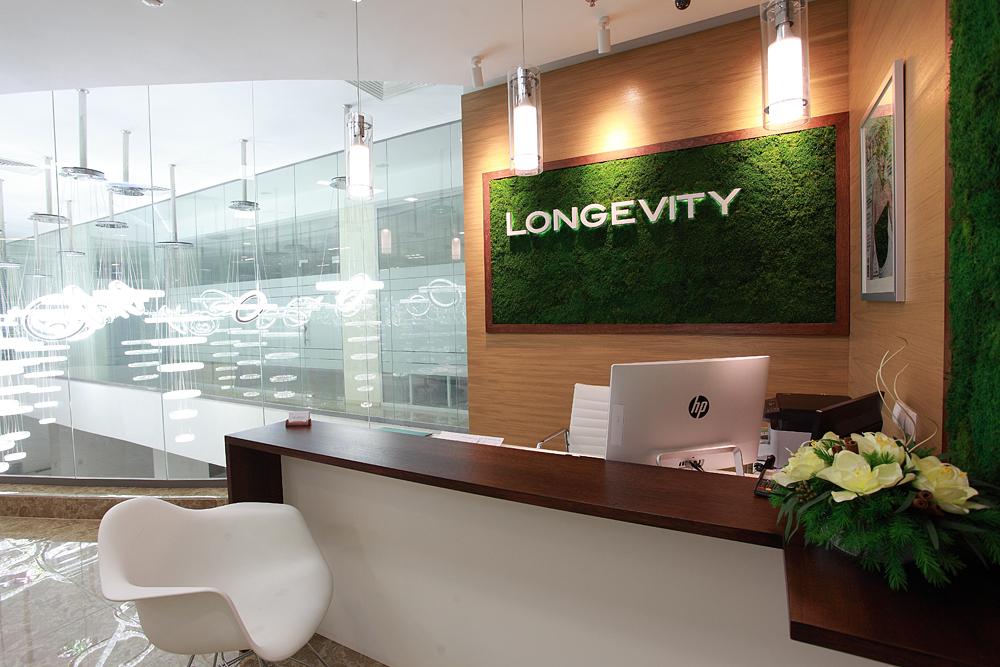
A longer and healthier life is no longer just a dream of the future. Advances in medical research, genetics, nutrition, and preventive healthcare have changed the way people approach aging. Instead of waiting for illness to develop, modern healthcare focuses on identifying risk factors early and creating personalized strategies to maintain health for decades.
This shift has led to the rise of the Longevity medicine clinic, where science and technology work together to help individuals improve their quality of life. These clinics go beyond treating symptoms by examining the biological processes that influence aging and developing customized plans to support long-term wellness.
Understanding the Science of Longevity
Longevity science is the study of how the body ages and what factors contribute to healthy aging. Researchers have discovered that aging is influenced by a combination of genetics, lifestyle, environment, and metabolic health.
While genetics play an important role, they are only one piece of the puzzle. Daily habits such as nutrition, exercise, sleep quality, stress management, and exposure to environmental toxins significantly affect how the body ages.
Scientists now understand that aging is not simply about the number of birthdays a person has celebrated. Instead, biological age often differs from chronological age. Biological age reflects how healthy the body's cells, tissues, and organs actually are.
Modern medicine aims to slow biological aging by addressing the underlying causes rather than simply managing age-related diseases.
What Makes Modern Longevity Medicine Different?
Traditional healthcare is generally reactive. Patients visit their doctor after symptoms appear or when an illness has already developed.
A Longevity medicine clinic takes a preventive and proactive approach. The goal is to identify potential health concerns before they become serious and create individualized plans that help people remain healthier for longer.
This approach combines multiple areas of medicine, including:
- Preventive medicine
- Functional medicine
- Lifestyle medicine
- Precision medicine
- Nutritional science
- Exercise physiology
Rather than focusing on one condition, practitioners evaluate the entire body as an interconnected system.
Advanced Health Assessments
One of the defining features of modern longevity care is comprehensive testing.
Instead of relying only on standard blood work, patients often undergo detailed evaluations that provide a deeper understanding of overall health.
These assessments may include:
- Comprehensive blood panels
- Hormone analysis
- Vitamin and mineral testing
- Inflammatory marker evaluation
- Cardiovascular risk assessment
- Body composition analysis
- Gut health testing
- Sleep quality assessments
By collecting detailed health data, medical professionals can identify subtle changes that may not yet be causing noticeable symptoms.
The Role of Genetics
Genetic testing has become an important tool in preventive healthcare.
Although genes cannot be changed, understanding genetic variations allows physicians to recommend lifestyle strategies that reduce individual health risks.
Genetic information can provide insights into:
- Nutrient metabolism
- Exercise response
- Disease susceptibility
- Medication sensitivity
- Inflammation patterns
Rather than predicting the future with certainty, genetic testing helps personalize healthcare decisions based on scientific evidence.
Biomarkers: Measuring Biological Age
Modern longevity medicine relies heavily on biomarkers.
Biomarkers are measurable indicators that reveal how well different systems within the body are functioning.
Examples include:
- Blood sugar regulation
- Cholesterol balance
- Inflammatory markers
- Liver function
- Kidney function
- Hormone levels
- Immune health
Many specialists also evaluate biological age using advanced algorithms and laboratory measurements.
Tracking these biomarkers over time provides valuable information about whether lifestyle interventions are improving overall health.
Personalized Nutrition Plans
Nutrition remains one of the strongest influences on healthy aging.
Rather than recommending the same diet for everyone, practitioners develop personalized nutrition strategies based on individual health data.
These plans often focus on:
- Whole, minimally processed foods
- Lean proteins
- Healthy fats
- Fiber-rich vegetables
- Fruits with high antioxidant content
- Stable blood sugar management
Some individuals may also benefit from targeted nutritional supplements based on laboratory findings.
Personalized nutrition helps support energy production, immune function, cardiovascular health, and healthy metabolism.
Exercise as a Medical Intervention
Exercise is now viewed as one of the most effective tools for extending healthspan.
A Longevity medicine clinic often develops customized fitness programs that consider age, mobility, medical history, and personal goals.
Effective exercise programs usually combine:
- Strength training
- Cardiovascular exercise
- Flexibility work
- Balance exercises
- Mobility training
Strength training is especially valuable because it helps preserve muscle mass, which naturally declines with age.
Maintaining muscle supports metabolism, improves balance, and reduces the risk of falls later in life.
Hormonal Balance and Healthy Aging
Hormones influence nearly every function in the human body.
As people age, natural hormone levels may change, affecting energy, sleep, mood, metabolism, and body composition.
Medical professionals carefully evaluate hormone levels when clinically appropriate.
If imbalances are identified, treatment plans may include lifestyle modifications, nutritional support, or medically supervised therapies designed to restore optimal function while prioritizing patient safety.
The Importance of Sleep
Quality sleep is essential for cellular repair and healthy aging.
During sleep, the body performs numerous restorative functions, including tissue repair, memory consolidation, immune regulation, and hormone production.
Poor sleep has been associated with increased inflammation, insulin resistance, obesity, cardiovascular disease, and cognitive decline.
Modern clinics often evaluate sleep habits alongside other health indicators and recommend evidence-based strategies to improve sleep quality.
Managing Chronic Inflammation
Chronic low-grade inflammation is considered one of the major contributors to aging and many chronic diseases.
Unlike acute inflammation, which helps the body heal after injury, persistent inflammation can gradually damage healthy tissues.
Factors that contribute to chronic inflammation include:
- Poor diet
- Physical inactivity
- Chronic stress
- Smoking
- Excess body fat
- Poor sleep
Reducing inflammation often involves comprehensive lifestyle changes rather than relying solely on medication.
Stress Reduction and Mental Wellness
Psychological health plays a major role in longevity.
Long-term stress can negatively affect hormone balance, immune function, cardiovascular health, and cognitive performance.
Modern longevity programs frequently incorporate stress management techniques such as:
- Mindfulness meditation
- Controlled breathing exercises
- Regular physical activity
- Social connection
- Time management
- Mental health counseling when needed
Maintaining emotional well-being is just as important as improving physical health.
Technology Driving Personalized Care
Technology has transformed preventive medicine.
Wearable devices now allow continuous monitoring of important health metrics, including:
- Heart rate
- Sleep patterns
- Daily activity
- Heart rate variability
- Exercise recovery
Artificial intelligence and advanced analytics help healthcare professionals interpret this data alongside laboratory results, making personalized care more precise than ever before.
Patients can track their progress over time and adjust their health plans based on measurable outcomes.
Continuous Monitoring for Better Results
Unlike traditional healthcare, where visits may occur only when problems arise, a Longevity medicine clinic emphasizes ongoing monitoring.
Regular follow-up appointments allow healthcare providers to:
- Review progress
- Update treatment plans
- Repeat laboratory testing
- Track biomarker improvements
- Adjust nutrition and exercise recommendations
This continuous feedback loop helps patients make gradual improvements that are sustainable over the long term.
The Future of Longevity Medicine
Research in longevity science continues to evolve rapidly.
Scientists are exploring new therapies involving regenerative medicine, advanced diagnostics, precision nutrition, microbiome research, and cellular health.
As technology advances, healthcare will likely become even more personalized, enabling earlier detection of disease and more effective prevention strategies.
The goal is not simply extending lifespan but increasing healthspan—the number of years people live in good physical, mental, and emotional health.
Conclusion
Modern longevity medicine combines scientific research, preventive healthcare, advanced diagnostics, and personalized treatment strategies to support healthier aging. Instead of reacting to illness, it focuses on understanding each individual's unique biology and addressing potential health concerns before they develop into chronic conditions.
By integrating comprehensive testing, tailored nutrition, structured exercise, sleep optimization, stress management, and continuous monitoring, a Longevity medicine clinic empowers people to take an active role in their long-term well-being. As research continues to uncover new insights into the aging process, this proactive approach is helping redefine what it means to grow older while maintaining vitality, independence, and a high quality of life.
 Dutch
Dutch
 English
 Arabic
 French
 Spanish
 Portuguese
 Deutsch
 Turkish
 Italiano
 Russian
 Romaian
 Portuguese (Brazil)
 Greek
Greek